Promotional items are an incredibly effective tool for spreading the word about your brand, making thousands of impressions for every dollar spent. But how can you create a promotional budget that maximizes impact without overspending?
Key Takeaways: Promotional Budgeting Made Practical
- A promotional budget helps businesses plan branded marketing spend based on clear goals, available resources, and expected ROI.
- There are multiple budgeting methods—such as objective-based, percentage of sales, and zero-based budgeting—allowing businesses of all sizes to choose what fits best.
- High-utility promotional items (like pens, tote bags, and calendars) deliver long-term brand exposure at a low cost per impression.
- Reusable and long-lasting promo products stretch budgets further by generating repeated impressions over time.
- Strategic personalization and bulk purchasing can elevate brand impact without significantly increasing spend.
Let’s walk through the essentials of budgeting for promotional products, along with some smart ways to stretch your investment.
What is a Promotional Budget – and How Do You Create One?
A promotional budget is a dedicated allocation of funds for creating brand awareness and engaging with potential clients. This budget covers everything from custom items and branded giveaways to digital promotions and event marketing. Your promotional budget will act as a guide, helping you select the right items and approaches based on what you want to achieve and how much you’re willing to invest.
There are several methods for creating a promotional budget, each with unique benefits:
- Objective and task method: Start with your campaign goals and determine the resources needed to achieve them. For example, if you’re launching a new product, calculate what it will take to create awareness with promotional items like tote bags, calendars, and pens.
- Percentage of sales: For a straightforward approach, set aside a percentage of your sales or forecasted revenue. If business is booming, this percentage can be a flexible way to scale up your budget while staying proportional to growth.
- Zero-based budgeting: Great for keeping spending tight, this approach starts with a clean slate each year. It’s perfect for small businesses needing to minimize costs without cutting marketing efforts.
- Market share method: For businesses following market trends, this approach bases your budget on industry standards. If competitors are spending a certain percentage of their budget on promotional marketing, match that to stay competitive.
- Activity-based budgeting: If you want a more granular approach, map out specific activities and their costs to understand exactly where your money goes. This is ideal for businesses aiming to cut waste and get the best ROI.
Getting the Most Out of Your Budget
Once you’ve set a budget, the next step is to stretch it effectively. Here’s how to get the most out of every dollar:
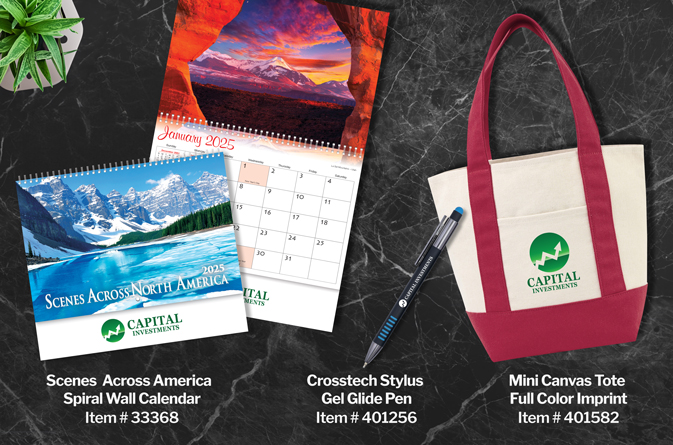
- Choose versatile items: Opt for items that your audience will use regularly. For example, custom pens—which can generate thousands of impressions over their lifetime according to industry research—are both affordable and high impact.
- Focus on reusability: Products like tote bags not only make a statement but also offer reusable value. They’re used by consumers over and over, putting your brand in front of countless eyes.
- Consider longevity: Custom calendars are perfect for year-round exposure, giving clients a reason to see your brand daily. This extended lifespan means your marketing dollars stretch further, reaching audiences repeatedly.
Building a Memorable Brand Experience on a Budget
Budgeting doesn’t mean compromising on quality or impact. Here are a few tips to help you create a meaningful brand experience, even with limited funds:
- Personalize your approach: Small customizations, like adding a customer’s name to a calendar or pen, create a sense of connection and exclusivity without a big price tag.
- Use high-quality visuals and messages: Invest time in crafting your brand message and choosing colors that stand out. This attention to detail helps even the simplest items feel premium and memorable.
- Leverage volume discounts: Ordering in bulk often results in price reductions, so if you’re planning a larger event or campaign, consider buying more to save on cost-per-item.
Make Every Dollar Count with Budget-Savvy Promo Items
Creating a promotional budget that aligns with your goals and resources can transform a small investment into big returns. Start by defining your objectives, choose cost-effective items with high usability, and think strategically to build a memorable brand experience.
FAQs:
What is a promotional budget?
A promotional budget is the amount of money a business sets aside for branded marketing efforts, including promotional products, giveaways, event marketing, and digital promotions.
How much should a company spend on promotional products?
There’s no one-size-fits-all answer. Some businesses allocate a percentage of sales, while others base spending on specific campaign goals, market standards, or annual planning needs.
What promotional items offer the best return on investment?
Items that are frequently used—such as pens, tote bags, drinkware, and calendars—tend to offer the highest ROI because they generate repeated brand impressions over time.
How can small businesses stretch a limited promotional budget?
Small businesses can maximize impact by choosing versatile items, ordering in bulk, focusing on quality over quantity, and prioritizing products with long usable lifespans.
Why are reusable promotional products more effective?
Reusable products increase brand exposure each time they’re used, lowering the cost per impression and keeping the brand visible long after the initial distribution.
Published: 4/22/2026