Promotional Fidget Pens for Businesses: A Practical Branded Giveaway That Drives Daily Use

Promotional Fidget Pens for Businesses: A Practical Branded Giveaway That Drives Daily Use

Promotional pens are everywhere but most disappear after a single use. Custom fidget pens change the game. They combine smooth, high-quality writing with a clever, built-in fidget feature — often a spinner, slider, or click mechanism — that lets users subtly move or play with the pen while thinking, brainstorming, or focusing.

The result? Custom fidget pens encourage interaction every time they’re picked up and keep your brand visible throughout the workday.

For businesses looking for a cost-effective way to get noticed, custom fidget pens are a smart solution.

Why Businesses Are Making the Switch

Traditional giveaways often end up forgotten. Custom fidget pens hold their value and deliver on the three essentials for ROI: function, interaction, and visibility.

Key Benefits:

  • Longer Retention: They’re kept longer than standard plastic pens.
  • Desk Visibility: More time on the desk means more brand impressions.
  • Natural Engagement: Fidgeting reinforces brand recall during meetings and calls.
  • Better ROI: A one-time cost keeps giving for months.

By becoming part of daily routines, these pens continue providing value long after they’re handed out.

Where Custom Fidget Pens Work Best

Custom fidget pens shine in situations where attention is limited and competition is high:

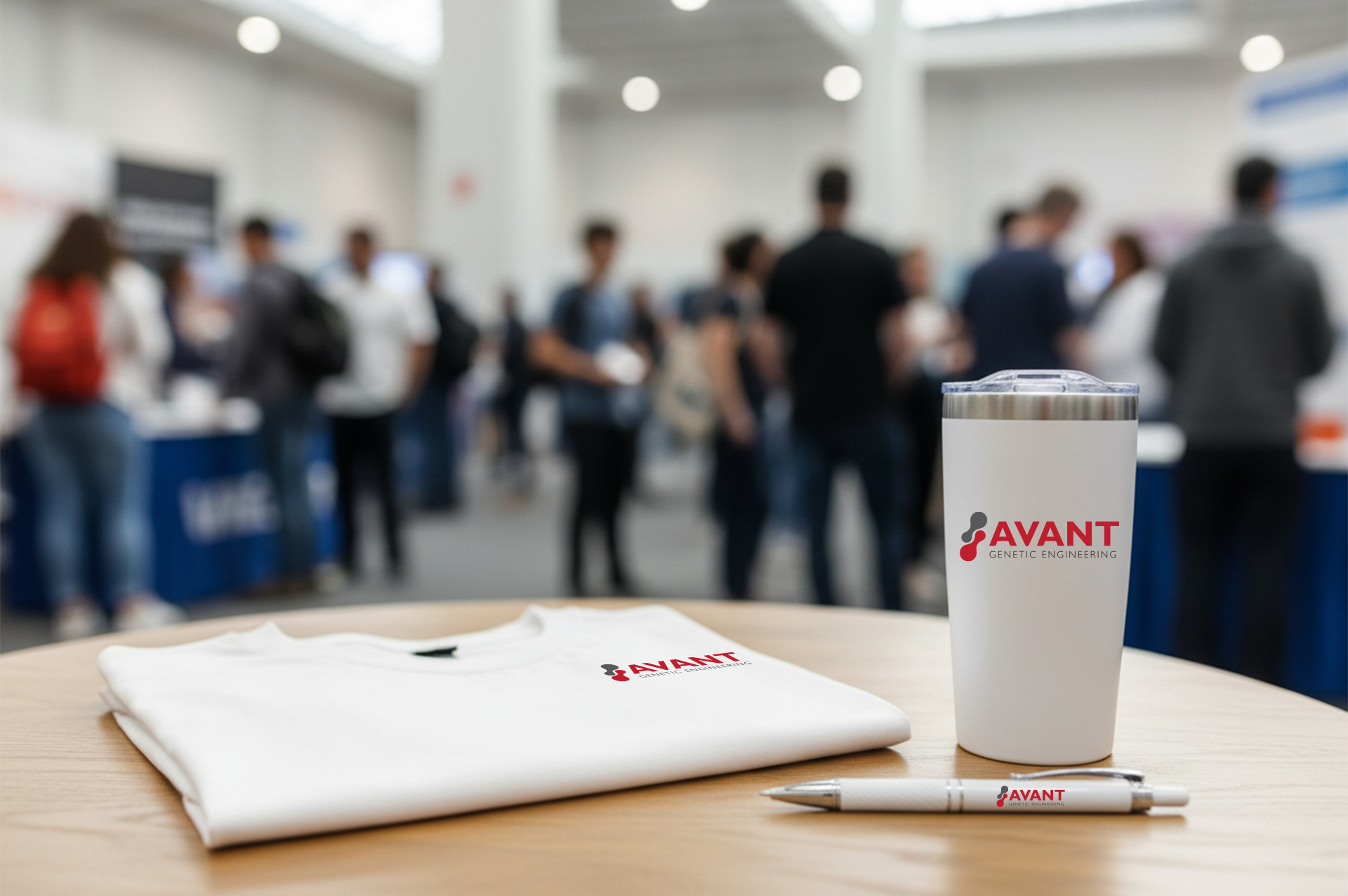
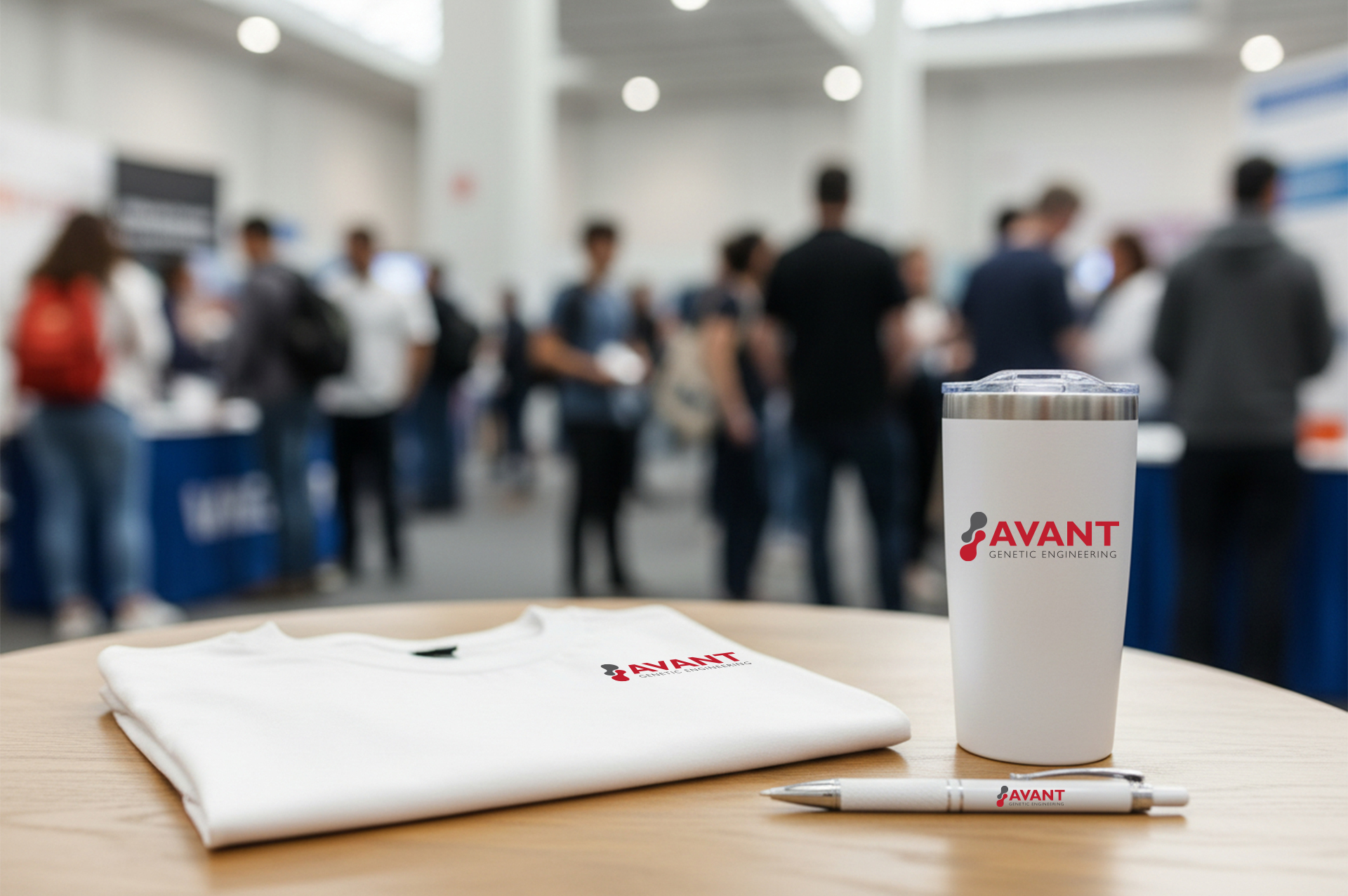
  • Trade Shows & Events: Stand out in crowded spaces and give attendees a reason to keep your pen.
  • Sales Leave-Behinds: Extend the conversation with a tool that reinforces your brand.
  • Employee Onboarding Kits: Add a thoughtful, practical item that makes a strong first impression.
  • Customer Appreciation Campaigns: Offer something that feels intentional and gets used every day.

Across all scenarios, the formula is the same: more interaction equals more visibility.

Custom Fidget Pens vs. Standard Promotional Pens

Not all pens are created equal. Standard promotional pens are quickly forgotten or tossed aside. Spinner pens grab attention and keep users coming back, turning every pick-up into a moment of interaction.

What sets them apart:

  • Longer Desk Life: Interactive design keeps them in hand.
  • Repeated Daily Use: Subtle motion encourages engagement.
  • Consistent Brand Exposure: Every pick-up reinforces your logo.
  • Reduced Waste: Fewer tossed pens = better return on your investment.

In short, while standard pens fade into the background, fidget pens keep your brand top of mind. For businesses focused on ROI, this small innovation makes a big difference.

Meet the Standouts: Two Pens That Deliver

1. Saratoga ModuSpin Gel Glide Pen: Built for the high-energy professional.

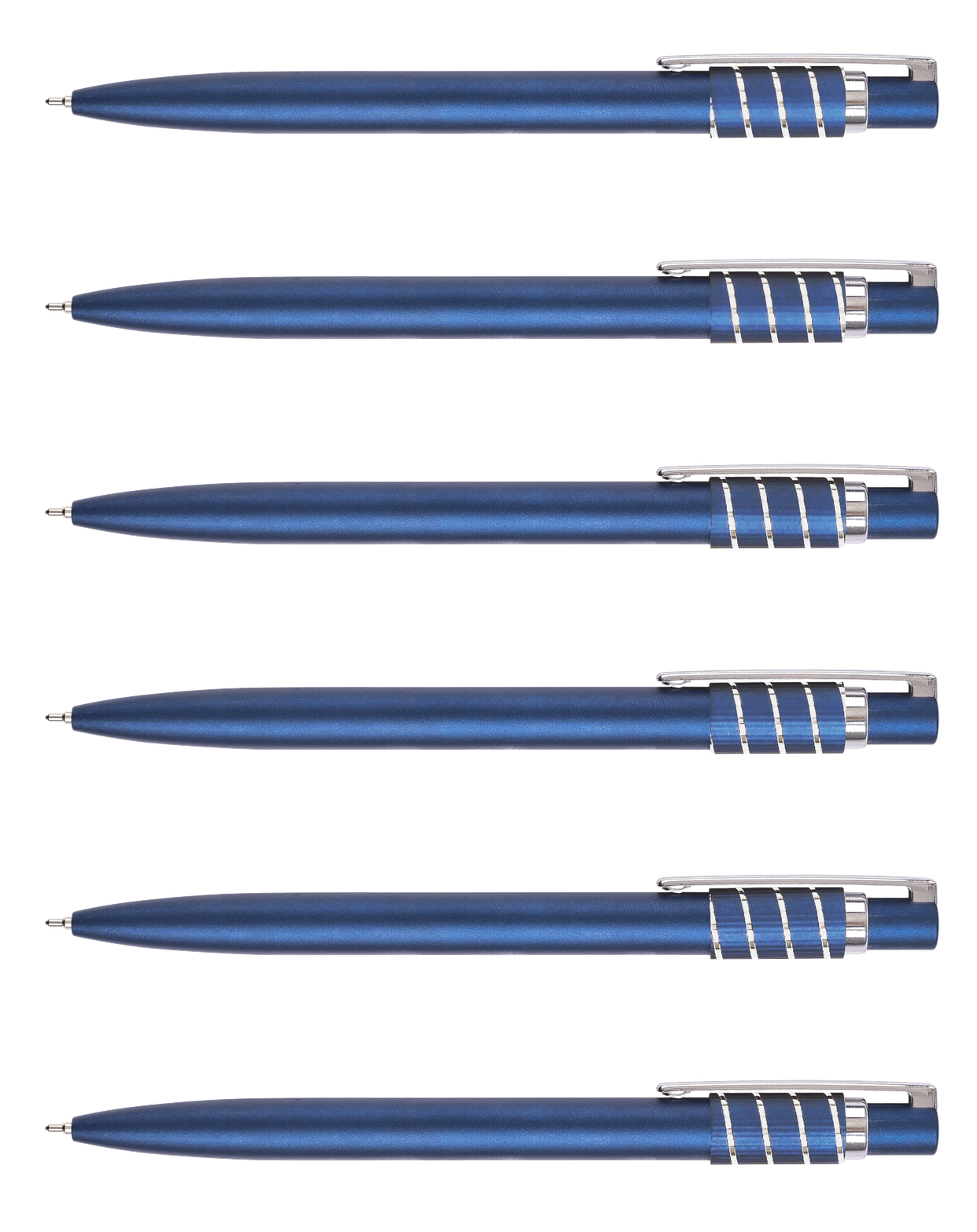
The Saratoga ModuSpin blends a premium writing experience with a satisfying integrated spinner. It’s designed for frequent, hands-on use to keep engagement levels high.
401995-Navy-Animation

Key features:

  • Built-in spinner that encourages constant use
  • Softex Luster finish for a premium feel
  • Gel Glide ink for smooth, reliable writing
  • Laser-engraved branding for a clean, professional look

Best for:

  • Trade show giveaways that need to stand out
  • Sales leave-behinds that stay within reach
  • Employee welcome kits where quality reflects brand perception
  • The more it spins, the more your brand is seen — simple math.
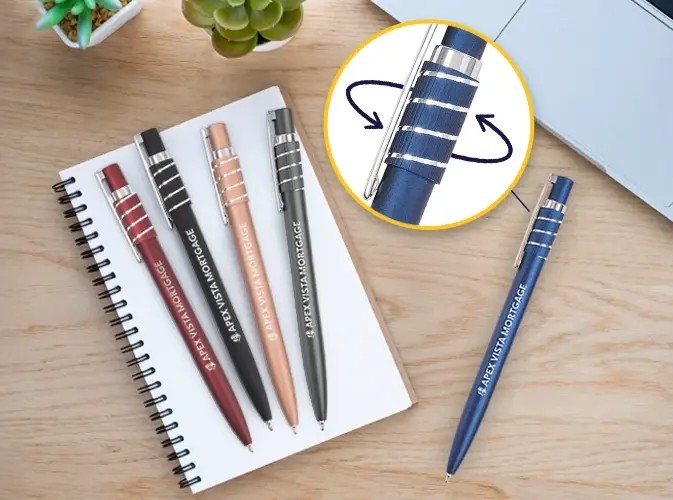
Saratoga ModuSpin Gel Glide Pen

2. ClipMotion Pen — Subtle. Professional. Surprisingly engaging.

The ClipMotion Pen offers a quieter form of interaction with its integrated sliding clip ideal for environments where discretion matters.

Key features:

  • Integrated slider for controlled, low-profile movement
  • Matte black barrel with modern, understated styling
  • Ergonomic design for all-day comfort
  • Clean branding area suited for corporate settings

Best for:

  • Executive meetings and client-facing environments
  • Employee onboarding and internal programs
  • Conferences with a more refined audience

It delivers the same engagement benefits, just with a more polished approach.
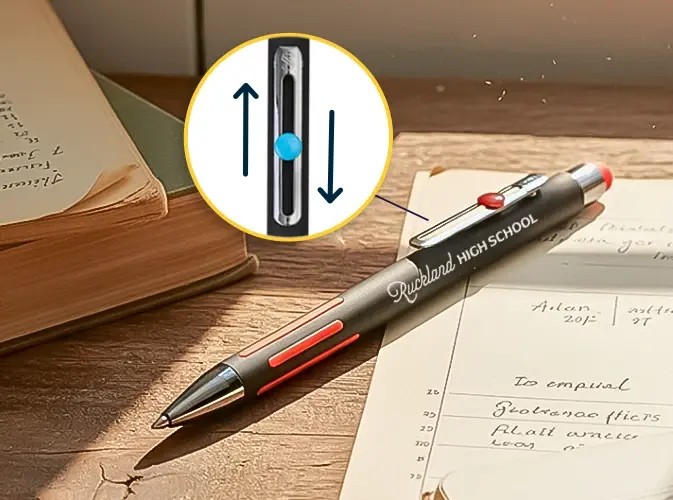
ClipMotion Pen

ROI in Every Click and Spin

The best promotional products aren’t the ones you hand out in bulk — they’re the ones people actually keep. Fidget pens combine everyday utility with subtle interaction, earning a permanent spot on desks and in hands.

If your goal is long-term brand exposure rather than just a one-off distribution, the choice is clear.

 

Employee/Partner Merch Store Key Performance Indicators (KPIs) That Truly Matter

Employee/Partner Merch Store Key Performance Indicators (KPIs) That Truly Matter

Launching an employee or partner merch store feels like a win. It centralizes branded merchandise, gives teams access to approved gear, and supports consistency across locations and partners.

But here’s the reality: A store that’s live isn’t necessarily a store that’s working.

To understand whether your merch program is driving engagement and staying cost-efficient, you need to track key performance indicators (KPIs). That means measuring more than just orders place but also engagement, redemption, and total program costs.

Defining What Success Looks Like

Success isn’t measured by how many SKUs sit in your store or how quickly it launched. A high-performing merch store supports bigger goals:

  • Stronger employee engagement and retention
  • Greater partner loyalty and brand alignment
  • Consistent, on-brand visibility across every touchpoint

KPIs give you clarity by indicating if your store is creating real value or simply existing in the background.

Engagement KPIs — Are People Actually Using the Store?

Engagement tells you whether your audience is paying attention — even before they place an order.

Key metrics to watch:

  • Store visits and unique users
  • Repeat visits
  • Click activity on featured collections
  • Time spent browsing

High engagement typically signals strong awareness, relevant products, and effective communication around the program.

Potential red flags are when traffic is high but orders are low, or when engagement spikes only after reminder emails. That usually points to product mix, pricing or communication gaps.

If people are browsing but not buying, something needs adjusting.

Redemption KPIs — Are Allocated Credits Being Used?

If your store includes employee allowances, reward points or partner credits, redemption rate is critical.

Important measures include:

  • Percentage of issued credits redeemed
  • Average redemption value per user
  • Time between credit issuance and redemption
  • Partial versus full credit usage

Low redemption often indicates that products don’t feel valuable, pricing leaves awkward leftover balances, or navigation feels complicated.

Improving redemption can be as simple as refreshing assortments, offering varied price points, or simplifying the user experience.

When credits go unused, engagement and budget efficiency both suffer.

Cost KPIs — What Is the Program Really Costing?

Merch programs involve more than product price.

Core cost metrics include:

  • Average order value
  • Cost per redemption
  • Cost per active user
  • Fulfillment and shipping expenses

Hidden costs can quietly erode ROI:

  • Excess inventory
  • Rush production
  • Returns and exchanges due to sizing issues

Smart programs balance bulk purchasing with on-demand options, review assortments quarterly, and monitor underperforming items before they drain budget.

Cost visibility prevents surprises and keeps your program sustainable long term.

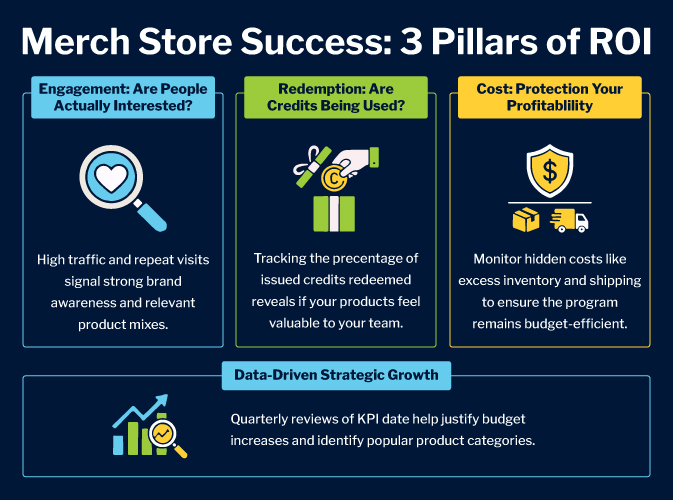
Merch Store Success: 3 Pillars of ROI

Finding the Right Balance

Focusing on one KPI in isolation rarely works. For example, high engagement with low redemption signals missed opportunity. And high redemption with rising costs indicates inefficiency.

The strongest merch stores hit a balanced sweet spot:

  • Products feel desirable
  • Budgets are used effectively
  • Costs remain predictable
  • Participation continues steadily over time

Turning Data Into Action

Reviewing performance quarterly keeps your store evolving. Data can help you:

  • Retire slow-moving items
  • Expand popular categories
  • Adjust credit amounts
  • Introduce seasonal or limited collections

KPIs also help justify expanding your program or increasing budget because you can clearly demonstrate engagement and impact.

Rather than feel static, a merch store should grow alongside your workforce and partner network.

The Bottom Line with Company Store KPIs

Employee/partner merch stores are powerful tools for engagement, recognition, and brand consistency — but only when managed intentionally. It’s important to:

  • Track engagement to measure interest
  • Track redemption to measure value
  • Track costs to protect sustainability

When these three metrics work together, your merch store becomes a strategic asset.

If you’re evaluating your current program or building a new one, the right structure and reporting framework can make all the difference. Amsterdam’s Online Company Stores are designed to help you simplify management, control costs, and keep participation strong — all while delivering branded merchandise your people want to wear and use.

Recruiting & Job Fair Swag Kits That Improve the Candidate Experience

Recruiting & Job Fair Swag Kits That Improve the Candidate Experience

A job candidate’s experience no longer begins with the first interview. For many job seekers, it starts at a job fair, campus event, or recruiting open house — often with a quick booth interaction and a branded takeaway. Thoughtfully designed promotional kits can turn those brief moments into meaningful brand touchpoints, helping candidates feel valued while reinforcing what your organization stands for.

Why Recruiting Kits Matter

Job fairs and recruiting events are crowded and fast-paced. Candidates are juggling resumes, brochures, and conversations with multiple employers in a short window. A useful, well-assembled kit helps your brand stand out while making the experience easier and more positive for the candidate.

More importantly, these kits create continuity. Items that candidates continue to use after the event keep your company top of mind as they evaluate opportunities and move through the hiring process.

Building Recruiting Kits by Hiring Stage

The most effective swag strategies align with where the candidate is in their journey. Instead of one generic giveaway, consider kits tailored to specific recruiting moments.

  • Job Fair Attraction Kits

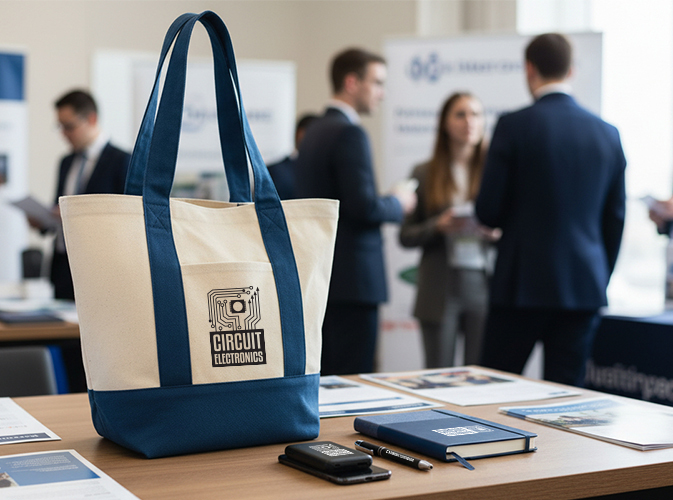
    At this stage, visibility and usability matter most. A branded tote bag is a natural anchor — it solves a real problem by helping candidates carry materials from multiple booths while giving your logo ongoing exposure. Inside, include a small mix of practical items such as tech accessories, quality pens or notebooks, and one lifestyle or eco-friendly item. The goal is to offer pieces candidates will hold on to and not discard on the way out.
  • Post-Interview Thank-You Kits

Following an interview, a small, thoughtful kit can reinforce professionalism and appreciation. These kits don’t need to be elaborate. A branded mug, a premium pen, a low-maintenance plant, or a curated snack item can leave a positive impression without feeling excessive. This touchpoint signals respect for the candidate’s time and effort.

  • New-Hire Onboarding Kits

Once a candidate becomes a new hire, swag shifts from attraction to belonging. Onboarding kits typically include higher-value items such as backpacks, hoodies, tumblers, desk accessories, or tech essentials. These pieces help new employees feel connected from day one while reinforcing brand pride.

Key Considerations When Designing Recruiting Swag

Effective recruiting kits work when they’re purposeful and thoughtfully planned. Keep these factors in mind:

  • Start with the audience — Tech-focused candidates may appreciate functional gadgets, while sustainability-minded candidates often respond to eco-conscious materials.
  • Prioritize quality over quantity — A small number of well-made items carries more impact than a bag of low-cost trinkets. Product quality subtly reflects company standards.
  • Ensure brand alignment — Every item should reinforce your organization’s culture and values — whether that signals innovation, practicality, creativity, or sustainability.
  • Focus on usability — Items that fit naturally into daily routines, such as bags, drinkware, notebooks, or tech accessories, extend brand visibility well beyond the event.
  • Use swag to spark interaction — Interactive elements like trivia, prize wheels, or QR-code activities encourage conversation and keep candidates at the booth longer.

Job fair swag kits

The Bigger Picture with Recruiting and Job Fair Swag

Recruiting and job fair promotional kits are not about giveaways — they’re about experience. When candidates walk away with items that feel intentional, useful, and aligned with your brand, they also gain a clearer sense of who you are as an employer.

In a competitive hiring landscape, that clarity and consideration can make all the difference.

Spring Into Action with Outdoor Swag Your Community Will Actually Love

Spring Into Action with Outdoor Swag Your Community Will Actually Love

Spring brings momentum.

The days grow longer. The air feels lighter. Communities step back outside — gathering at local festivals, farmers markets, charity 5Ks, school field days, and outdoor concerts.

If you want your spring event to stand out, here’s the not-so-secret ingredient: thoughtful outdoor swag.

The right outdoor promotional product does more than fill a tote bag. It builds connection. It sparks conversation. It becomes part of the experience. When attendees receive something useful, stylish, or genuinely fun, that positive feeling lingers and so does your brand.

Spring is the perfect season to lean into outdoor-ready items people can use immediately. When outdoor swag is practical and well-designed, it doesn’t get tossed aside. It gets carried. Worn. Reused. Remembered.

Here’s how to choose outdoor swag that doesn’t just show up for your event but keeps showing up long after it’s over.

Start Smart: Know Your Crowd

Before placing an order, pause and think about who’s showing up. Different events bring different energy:

  • Community fairs and festivals attract families and local vendors.
  • Farmers markets draw eco-conscious, sustainability-minded shoppers.
  • Charity runs and walks bring active, goal-driven participants.
  • Outdoor concerts and picnics create relaxed, social vibes.

Now consider demographics. Are you welcoming young families? College students? Corporate teams? Retirees? A blend of everyone?

The best swag fits seamlessly into what attendees are already doing.

  • Runners appreciate hydration.
  • Shoppers need something to carry purchases.
  • Families love interactive items that keep kids entertained.

When your giveaway aligns with the moment, it feels intentional, not random.

What Makes Swag Truly Outdoor-Ready?

Outdoor events demand more from promotional products. Your swag should stand up to sunshine, movement, and unpredictable spring weather.

Here’s what to prioritize:

  • Durable Enough for the Elements — Spring can shift from bright sun to gusty winds in an hour. Choose quality materials that won’t fade, crack, or fall apart. Durability protects more than usability, it protects your brand image.
  • Actually Useful (Not Just Cute) — If attendees can use it on the spot, you’ve already won. Water bottles, caps, sunscreen, and cooling towels instantly improve their experience.
  • Easy to Carry — No one wants to juggle bulky items while browsing booths or running a race. Lightweight, portable products keep hands free and spirits high.
  • Designed to Be Seen — Outdoor events are full of photo opportunities. Hats, totes, and drinkware stay visible and show up in selfies and group shots.

Thoughtful branding ensures your logo travels far beyond event day. When you combine durability, practicality, portability, and visibility, you create outdoor swag that keeps working long after the tents come down.

Crowd-Pleasing Outdoor Swag Picks

Looking for ideas that check every box? These spring-ready outdoor favorites consistently deliver:

  • Reusable Water Bottles & Tumblers: At runs, tournaments, and festivals, hydration is essential. Reusable drinkware is eco-friendly, practical, and used long after event day — extending your brand reach with every refill.
  • Branded Sunglasses & Caps: Sun protection meets effortless promotion. Lightweight and instantly wearable, these items naturally appear in photos and social posts, giving your event organic visibility.
  • Picnic Blankets & Mats: For outdoor movies or live music, picnic blankets invite guests to settle in and stay awhile. With generous imprint space, they offer high-impact branding in a subtle, stylish way.
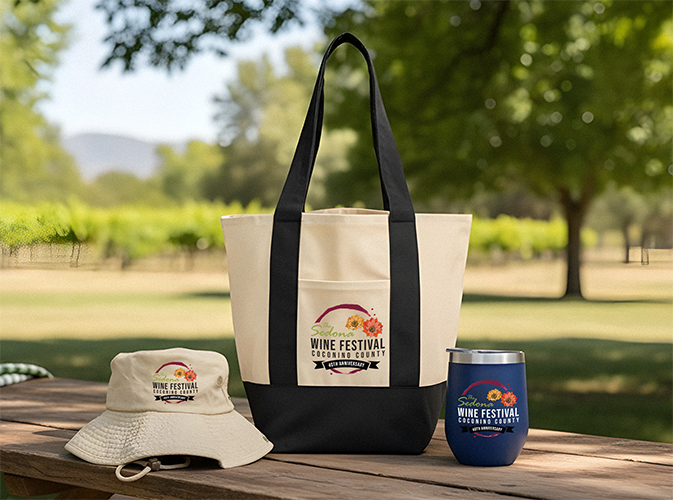
  • Eco-Friendly Tote Bags: At markets and fairs, totes are essential. Attendees use them immediately for vendor purchases and brochures. Choosing recycled or sustainable materials reinforces your commitment to community and environmental responsibility.
  • Cooling Towels & Handheld Fans: Spring heat can sneak up quickly, — especially during active events. Compact and affordable, these small items make a big impression.
  • Bubbles & Outdoor Toys: For family-focused gatherings, interactive swag creates joyful, shareable moments. Kids chasing bubbles or playing games bring energy and excitement — while keeping your brand gently, positively in view.

The key is longevity. The longer an item stays in rotation, the stronger your brand recall.

Outdoor swag

Make It Personal: Turn Giveaways into Keepsakes

Customization transforms a freebie into a memory. Add the event name and date, especially for annual festivals or milestone celebrations. People love items that commemorate a moment.

If sponsors are involved, keep the design balanced. Clean layouts feel more premium and encourage continued use.

You can also boost engagement with tiered swag:

  • Exclusive gear for volunteers
  • Premium items for VIP guests or major donors
  • Participant-only swag for race registrants

When people feel recognized, they feel connected.

Bundle for Impact: Swag Kits That Wow

Individual giveaways are nice. Curated kits are memorable.

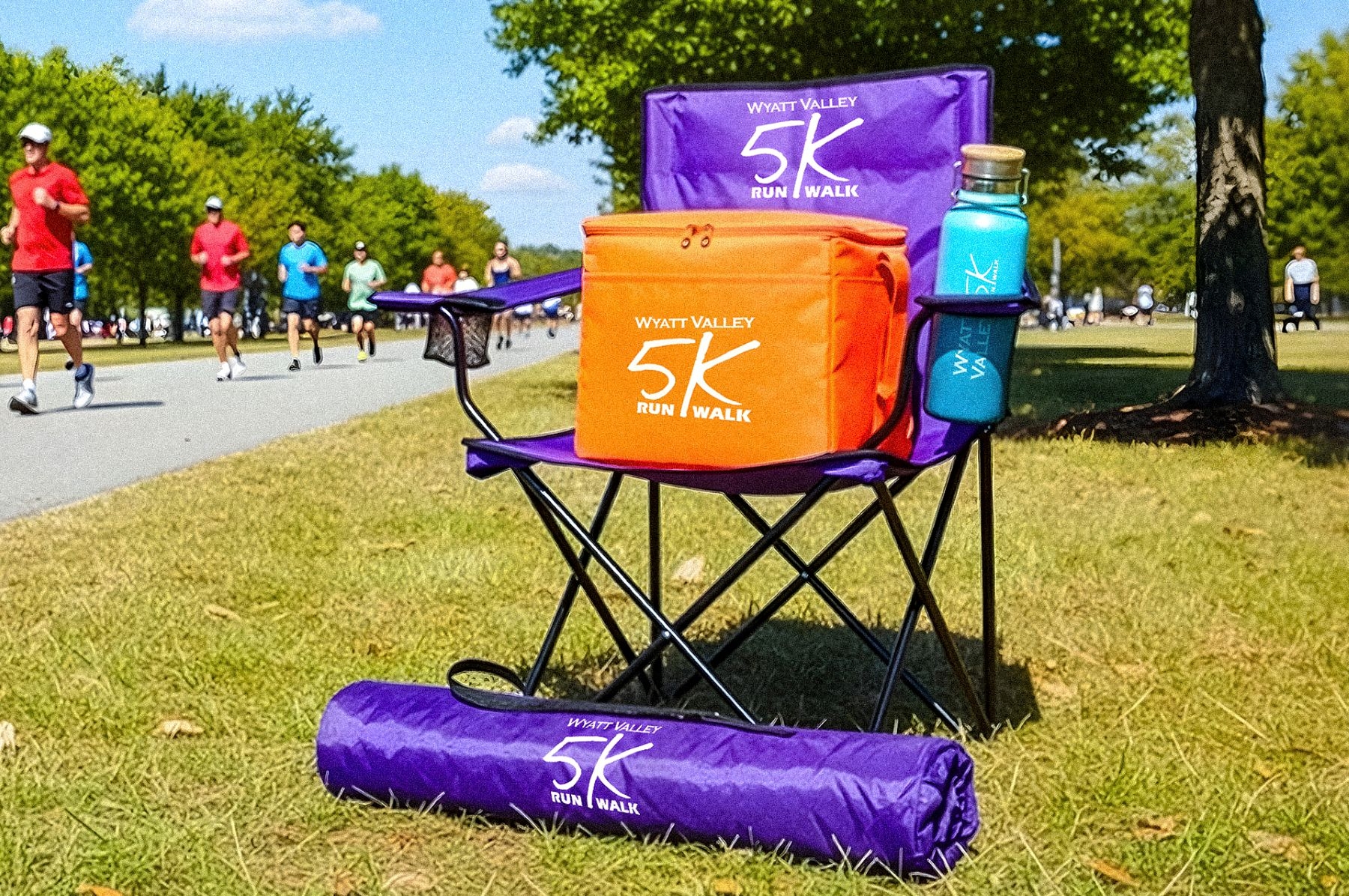
Imagine a spring 5K participant bag that includes:

  • A reusable water bottle
  • A branded tote
  • A cooling towel
  • Travel-size sunscreen

That’s not just swag — it’s thoughtful preparation.

You can also mix practical and playful. Pair a picnic blanket with bubbles for families. Include local vendor samples inside a tote to encourage exploration.

Want to extend your reach even further? Add a hashtag to your design and invite attendees to share photos with their swag. When items look good on camera, social sharing happens naturally.

The Final Touch: Swag That Strengthens Community

At its core, a spring event is about connection. The right outdoor swag reinforces that connection in a tangible way.

Branded items for outdoor events show attendees you’ve considered their comfort and enjoyment. They extend your brand presence into everyday life — at the gym, the grocery store, the park, or the beach.

When thoughtfully selected, well-designed, and strategically bundled, outdoor swag becomes more than a handout. It becomes part of the memory.

Direct Mail & Swag: A Strategy for Breaking Through the Noise and Booking B2B Meetings

Direct Mail & Swag: A Strategy for Breaking Through the Noise and Booking B2B Meetings

Booking B2B meetings is harder than ever. Inboxes are crowded, response rates are down, and even strong messaging can get ignored. To break through, sales teams need something that feels different.

That’s where direct mail + swag comes in.

A thoughtful physical package cuts through digital noise. It creates curiosity, builds goodwill, and gives prospects a tangible reason to engage. When paired with coordinated outreach, it can significantly increase meeting conversion rates.

Why It Works

Modern direct mail isn’t a generic postcard blast. It’s a carefully targeted package sent to a specific decision-maker with a clear objective.

Adding useful, well-chosen swag introduces a simple psychological advantage: People are more likely to respond after receiving something of value. A quality item on a desk also keeps your brand visible long after an email would have been deleted.

The goal isn’t to send gifts but to create an opening for conversation.

When to Use Direct Mail & Swag

Direct mail & swag works best in high-impact scenarios where a thoughtful physical item can make a real difference:

  • Pre-meeting outreach to priority prospects— Send a package before your first call to capture attention and create a reason to engage.
  • Account-based marketing campaigns—Use personalized mailers to stand out with key accounts and show you understand their business.
  • Re-engaging stalled opportunities— Refresh conversations that have gone quiet with a new, tangible touchpoint.
  • Post-event follow-up— Reinforce connections made at trade shows or conferences with a relevant item that keeps your brand top of mind.

The key is strategic focus. Direct mail & swag works best when reserved for defined accounts or high-value prospects, which helps turn each package into a meaningful opportunity (instead of a generic giveaway).

Choosing the Right Swag

What you send matters as much as who receives it. To make an impact:

  • Prioritize practical, desk-friendly items —Think products your prospect will use — quality notebooks, drinkware, tech accessories, or office tools that stay within reach instead of getting tossed in a drawer.
  • Align the item with your audience and brand —The product should make sense coming from your company and feel relevant to the recipient’s industry or role.
  • Match perceived value to the account —Higher-value prospects may warrant more premium items, while mid-market outreach can succeed with thoughtful, useful essentials.
  • Skip novelty giveaways — If it feels disposable, it likely will be.

In B2B outreach, usefulness beats flash. The more relevant and practical the item, the more likely it is to stay visible — and keep your brand top of mind.

Swag Boxes

Personalization, the Ask, and Coordinated Follow-Up

To stand out, direct mail should feel personal and relevant. Include the recipient’s name, role, or company-specific messaging, and add a short, tailored note — whether handwritten or printed. Even small touches make your outreach memorable.

Next, pair personalization with a clear, simple call to action. Ask for a brief introductory call or focused discussion — and make it easy for the recipient to respond using a QR code, calendar link, or dedicated landing page. Swag captures attention, but the CTA drives the meeting.

Timing is just as important as content. Coordinate delivery with email and LinkedIn outreach and follow up by phone while the package is still top of mind. A multi-touch sequence — mail the package, send a supporting email, reach out on LinkedIn, then call — keeps your message visible, reinforces your relevance, and gives prospects multiple, convenient ways to engage.

This approach balances personalization, clarity, and timing, turning thoughtful direct mail into measurable opportunities for real conversations.

Measuring Success

If you’re investing in direct mail & swag, you’ll want to measure if it’s driving results. Focus on a few practical metrics:

  • Meetings booked— How many conversations did the campaign generate?
  • Response rate compared to email alone— Did adding a physical touchpoint increase engagement?
  • Cost per meeting— How much did you spend to secure each booked call?
  • Pipeline created— Did those meetings turn into real opportunities?

For high-value accounts, you don’t need a dramatic spike in conversions to make the numbers work. Even a small increase in booked meetings can deliver strong return when the potential deal size is significant.

From Package to Pipeline

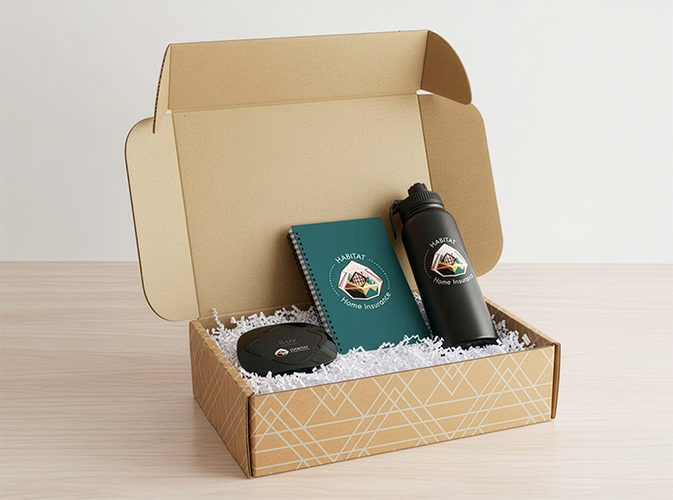
When the right product meets the right message at the right time, swag becomes more than a giveaway. It becomes a catalyst for conversation — and a practical way to turn outreach into booked meetings. With partners like Amsterdam Printing, sales teams can easily design and assemble custom swag boxes that align with their message and make a lasting impression.

Avoid Common Mistakes

  • DON’T send swag without context
  • DON’T over-brand products
  • DON’T choose low-value items
  • DON’T neglect follow-up

The item alone won’t book the meeting — the strategy around it will.

Recruiting & Job Fair Swag Kits That Improve the Candidate Experience

Recruiting & Job Fair Swag Kits That Improve the Candidate Experience

A job candidate’s experience no longer begins with the first interview. For many job seekers, it starts at a job fair, campus event, or recruiting open house — often with a quick booth interaction and a branded takeaway. Thoughtfully designed promotional kits can turn those brief moments into meaningful brand touchpoints, helping candidates feel valued while reinforcing what your organization stands for.

Why Recruiting Kits Matter

Job fairs and recruiting events are crowded and fast-paced. Candidates are juggling resumes, brochures, and conversations with multiple employers in a short window. A useful, well-assembled kit helps your brand stand out while making the experience easier and more positive for the candidate.

More importantly, these kits create continuity. Items that candidates continue to use after the event keep your company top of mind as they evaluate opportunities and move through the hiring process.

Building Recruiting Kits by Hiring Stage

The most effective swag strategies align with where the candidate is in their journey. Instead of one generic giveaway, consider kits tailored to specific recruiting moments.

  • Job Fair Attraction Kits

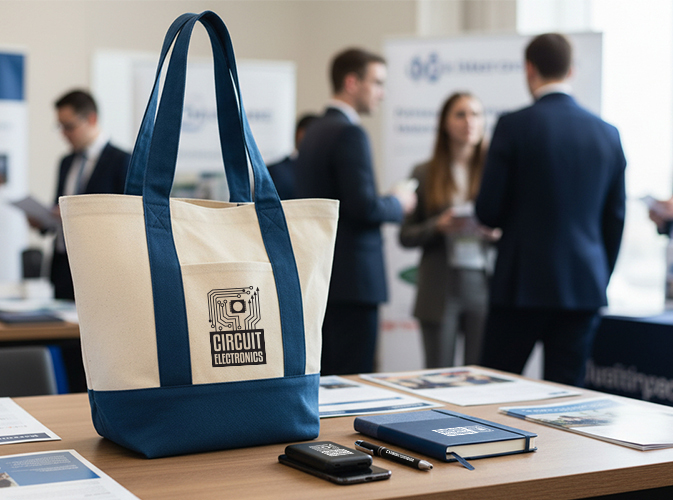
At this stage, visibility and usability matter most. A branded tote bag is a natural anchor — it solves a real problem by helping candidates carry materials from multiple booths while giving your logo ongoing exposure. Inside, include a small mix of practical items such as tech promo items, quality pens or branded notebooks, and one lifestyle or eco-friendly item. The goal is to offer pieces candidates will hold on to and not discard on the way out.

  • Post-Interview Thank-You Kits

Following an interview, a small, thoughtful kit can reinforce professionalism and appreciation. These kits don’t need to be elaborate. A branded mug, a premium pen, a low-maintenance plant, or a curated snack item can leave a positive impression without feeling excessive. This touchpoint signals respect for the candidate’s time and effort.

  • New-Hire Onboarding Kits

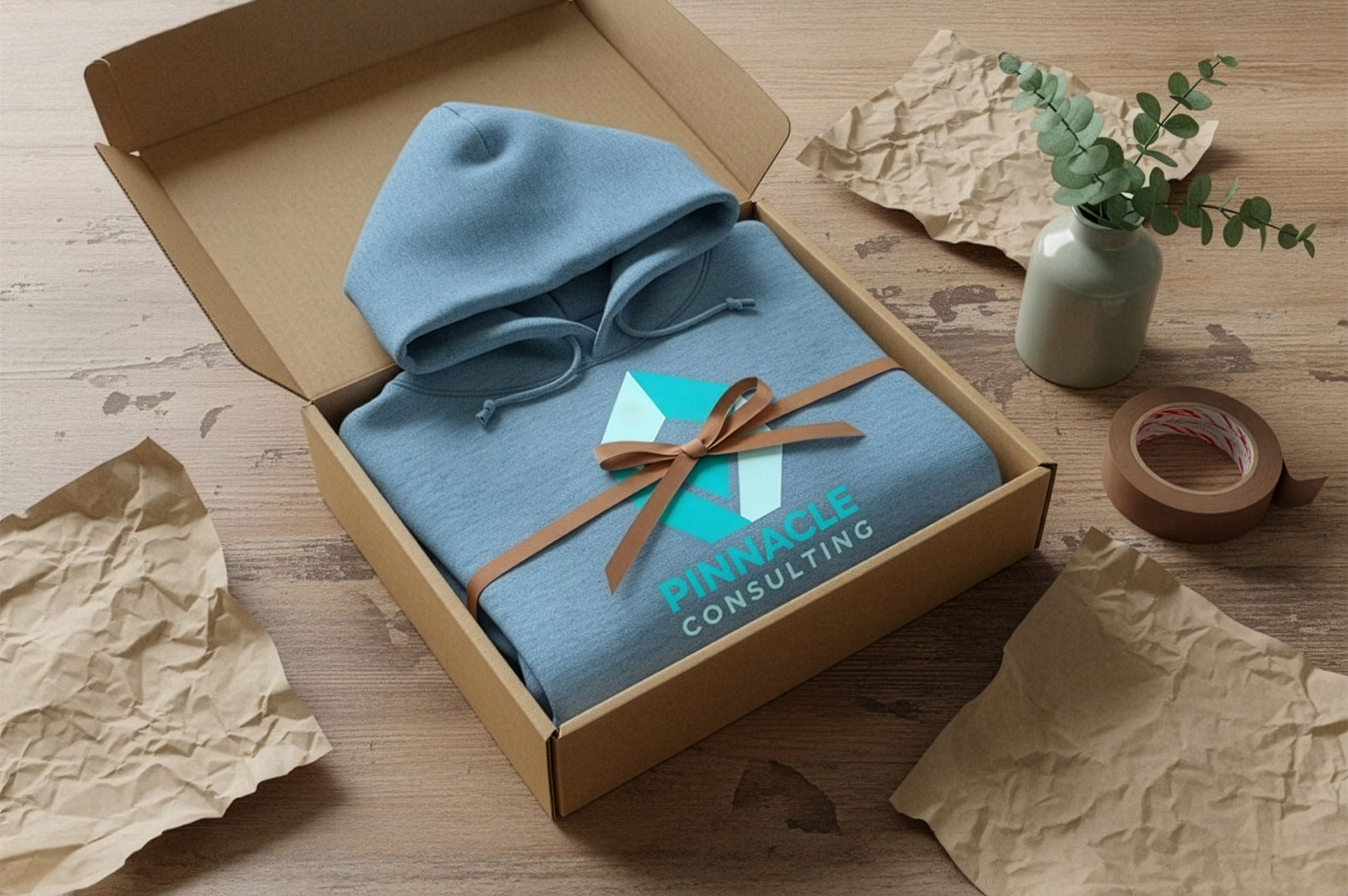
Once a candidate becomes a new hire, swag shifts from attraction to belonging. Onboarding kits typically include higher-value items such as branded backpacks, custom hoodies, tumblers, desk accessories, or tech essentials. These pieces help new employees feel connected from day one while reinforcing brand pride.

Key Considerations When Designing Recruiting Swag

Effective recruiting kits work when they’re purposeful and thoughtfully planned. Keep these factors in mind:

  • Start with the audience — Tech-focused candidates may appreciate functional gadgets, while sustainability-minded candidates often respond to eco-conscious materials.
  • Prioritize quality over quantity — A small number of well-made items carries more impact than a bag of low-cost trinkets. Product quality subtly reflects company standards.
  • Ensure brand alignment — Every item should reinforce your organization’s culture and values — whether that signals innovation, practicality, creativity, or sustainability.
  • Focus on usability — Items that fit naturally into daily routines, such as bags, drinkware, notebooks, or tech accessories, extend brand visibility well beyond the event.
  • Use swag to spark interaction — Interactive elements like trivia, prize wheels, or QR-code activities encourage conversation and keep candidates at the booth longer.

Recruiting and Job Fair Swag Kits

The Bigger Picture with Recruiting and Job Fair Swag

Recruiting and job fair promotional kits are not about giveaways — they’re about experience. When candidates walk away with items that feel intentional, useful, and aligned with your brand, they also gain a clearer sense of who you are as an employer.

In a competitive hiring landscape, that clarity and consideration can make all the difference.


Matching Promo Products to the Marketing Funnel: Awareness → Nurture → Retention

Matching Promo Products to the Marketing Funnel: Awareness → Nurture → Retention

Choosing the right promo products isn’t just about finding something people will keep—it’s about choosing the right item for the right moment. When promotional products align with where someone is in your marketing funnel, they stop feeling like giveaways and start working like strategic tools.

From first impressions to long-term loyalty, here’s how to match promo products to each stage of the funnel — and why it makes a measurable difference.

1. Awareness: Make Your Brand Easy to Remember

At the top of the funnel, the goal is simple: visibility. You want your brand to show up often, feel familiar, and be easy to recognize later. Promo products at this stage should prioritize reach over depth.

Low-cost, widely distributable items work best here — especially those people naturally use or keep close at hand. Pens, notepads, magnets, keychains, and event-friendly swag like lip balm or hand fans all excel at this stage. These items aren’t meant to tell your whole story; they’re meant to spark recognition and plant a seed.

When done right, awareness-stage promo products quietly reinforce your brand again and again, long after the event or interaction ends.

2. Nurture: Add Value and Build Trust

Once someone is familiar with your brand, promo products should shift from visibility to usefulness. This is the stage where thoughtful items help build credibility and move prospects closer to a decision.

Mid-funnel promo products tend to solve small problems or support daily routines. Tech accessories like power banks, USB drives, or phone stands feel relevant and practical. Higher-quality notebooks, drinkware, or branded apparel for demos and trials also work well, especially when tied to a specific interaction or milestone.

At this stage, personalization matters more. A well-chosen item signals that your brand understands its audience — and that understanding builds trust.

3. Retention: Strengthen the Relationship

At the bottom of the funnel, promo products become less about promotion and more about appreciation. These items should feel intentional, elevated, and aligned with the value of the relationship.

Premium apparel, bags, curated gift sets, and personalized accessories are strong choices for customer loyalty, employee recognition, or milestone celebrations. These items don’t need to be distributed broadly; they need to feel meaningful.

When customers or employees receive something that feels exclusive or well-considered, it reinforces loyalty and encourages long-term engagement. In many cases, these gifts also turn recipients into brand advocates — extending your reach organically.

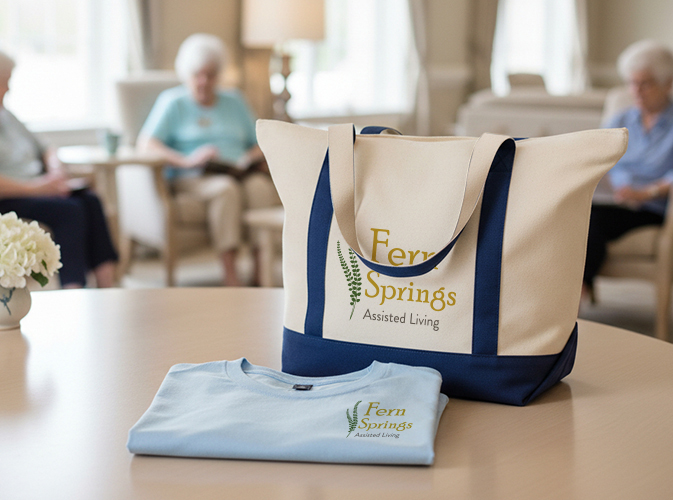
Premium apparel and custom bags

Value Grows as Relationships Deepen

At every stage of the funnel, the most effective promo products reflect the strength of the relationship. As audiences move from awareness to retention, perceived value should increase, both in quality and in intent.

Thoughtful promo product selection allows brands to spend more strategically, build stronger emotional connections, and support marketing, sales, and retention efforts in a unified way.

One Funnel, Many Touchpoints

Most buyers don’t move through the funnel in a straight line. They may encounter your brand at an event, revisit it through a referral, or re-engage months later through a follow-up campaign. Promo products help bridge these touchpoints by creating physical reminders that extend the life of each interaction. When items are chosen intentionally, they continue working long after the initial moment — keeping your brand present even when the journey pauses.