The trip ends, but the relationship doesn’t have to. A well-chosen branded keepsake lives in a visitor’s daily routine long after checkout — on the kitchen counter every morning, in the bag on every commute, on the couch every weekend. This post covers why destination merchandise works as a marketing tool, what makes a souvenir worth keeping, the best items by daily moment and destination type, three kit tiers for any budget, and how to turn a gift-shop lineup into a referral engine.
KEY TAKEAWAYS
- Daily-use items generate more post-trip impressions than decorative souvenirs because they show up in a visitor’s routine rather than sitting in a drawer.
- The four qualities that make a keepsake stick: genuine usefulness, lasting quality, authentic place-based design, and high dwell time in the visitor’s day.
- Organize the product lineup by where the item lives in the visitor’s life — counter, bag, body, or home — to maximize daily recall.
- Three kit tiers cover every budget: a $5 to $12 welcome-desk gift, a $20 to $40 gift-shop bundle, and a $60-plus VIP press and partner kit.
- Adding a hashtag or QR code to a branded item turns a keepsake into a social sharing and referral tool.
Why Merchandise Keeps a Destination Top of Mind
A visitor who takes home a branded coffee mug sees the destination’s name every morning. A tote bag goes to the grocery store, the farmers market, and the gym — generating impressions in environments far beyond the destination itself. That daily exposure keeps the emotional connection to the trip alive and puts the destination’s name in front of friends, family, and colleagues who never made the trip.
Branded merchandise also creates non-ticket revenue at gift shops and visitor centers, turning the souvenir program into a budget line that funds itself. Done well, it’s one of the few tourism marketing investments that pays the destination back while it works.
What Makes a Souvenir Actually Stick
Most souvenirs end up in a drawer. The ones that don’t share four qualities:
- A daily-use item earns daily impressions. A decorative one earns shelf space until the next declutter.
- A keepsake that holds up for years keeps the destination visible for years. One that falls apart reflects on the place that handed it out.
- Authentic place-based design. A design that evokes something specific — a skyline, a landmark, a local color palette — is identifiable and conversation-worthy.
- Dwell time. How often does the item show up in the visitor’s day? A water bottle carried to work generates more weekly impressions than a wall hanging glanced at once.
The Best Products for Post-Trip Recall
Organize the lineup by where the item lives in the visitor’s daily routine.
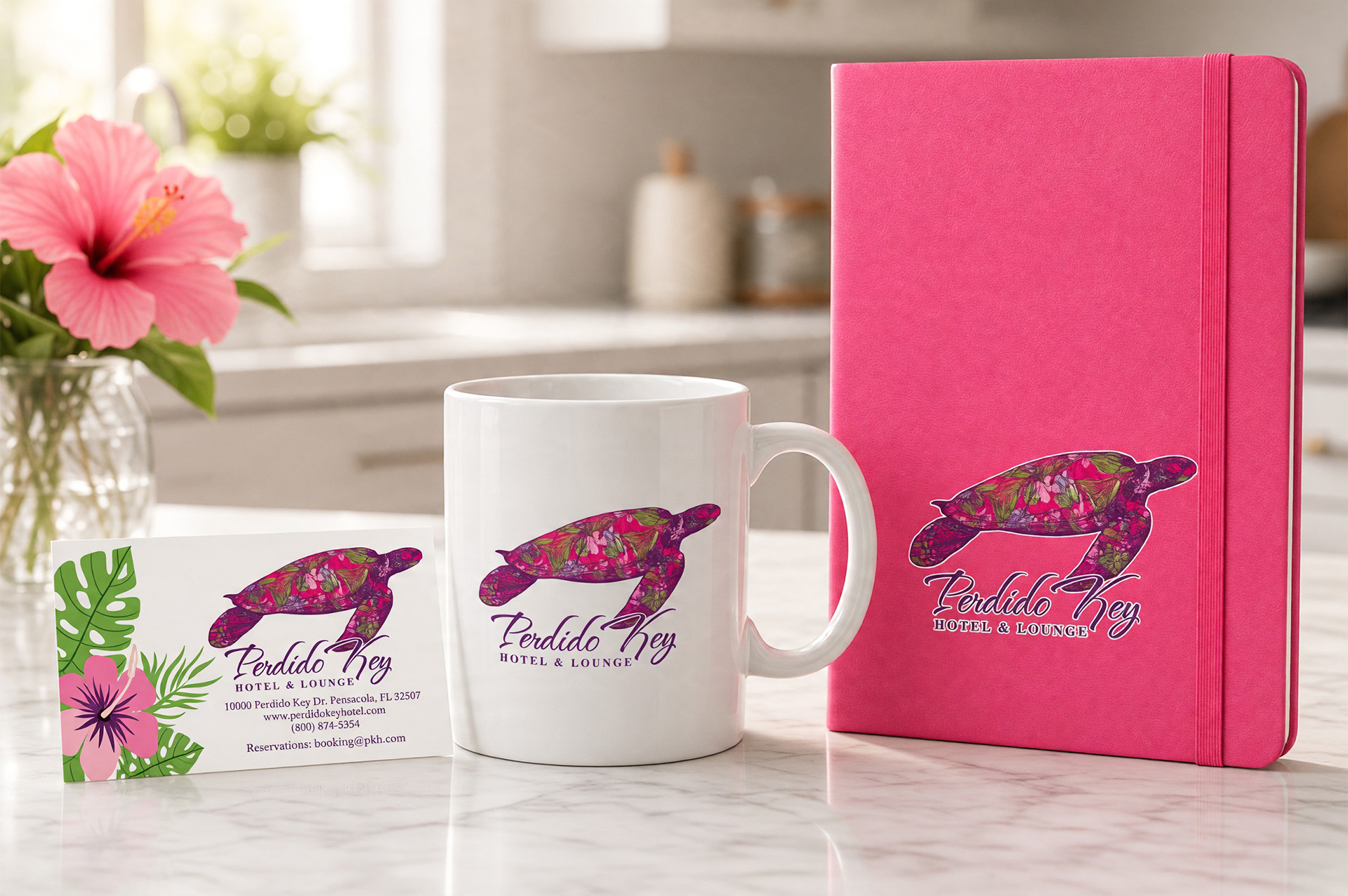
- On the counter / in the kitchen. Coffee mugs and fridge magnets. A branded mug is seen every morning and every time a guest pours a second cup. A magnet earns permanent counter or refrigerator real estate at a very low per-unit cost. Shop custom coffee mugs | Shop personalized magnets
- On the go. Water bottles, travel mugs, tote bags, and keychains. These items leave the house daily and display the destination to every person who sees them in transit — the highest-reach category in any souvenir program. Shop custom water bottles | Shop travel mugs | Shop custom tote bags | Shop custom keychains
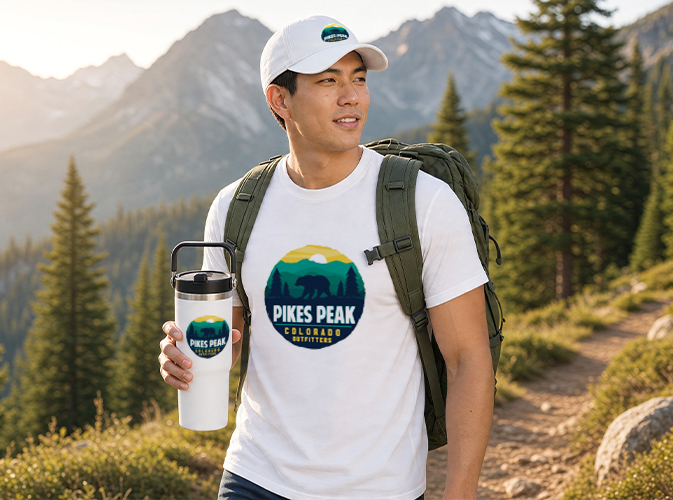
- On their body. Tees, caps, and sunglasses. Wearables turn visitors into walking billboards for the destination — especially when the design is strong enough that people wear them by choice rather than obligation. Shop custom t-shirts | Shop custom caps | Shop custom sunglasses
- At home / on the couch. Blankets, candles, and travel journals. These are the premium keepsakes that recreate the feeling of the destination at home — a blanket that brings the cabin weekend into the living room, a candle with a scent tied to a place, a journal filled with notes from the trip. Shop custom blankets | Shop branded notebooks
Souvenirs by Destination Type
Different destinations call for different emphasis within the lineup.
- Beach and coastal destinations. Sunglasses, water bottles, tote bags, and lightweight tees — items visitors use during the trip and take home naturally. A beach tote is both a trip essential and a daily-use keepsake.
- Cities and cultural destinations. Coffee mugs, travel journals, and design-forward tees and totes. Urban visitors tend to be design-literate — a strong place-based graphic on quality goods earns word-of-mouth in ways that generic souvenir shop fare doesn’t.
- Outdoor and national park destinations. Water bottles, caps, and keychains are the practical, pack-friendly keepsakes that fit a trip built around activity. Quality and durability matter more here than design novelty.
- Resorts, hotels, and attractions. Branded drinkware, blankets, and candles that extend the comfort of the property into the guest’s home. These also make strong loyalty and VIP gifting pieces for returning guests. Shop souvenir promotional products
Destination Keepsake Kit Ideas
Three tiers cover most programming needs.
- Welcome-Desk Gift ($5 to $12 per visitor). Magnet, keychain, and pen — the budget-friendly impulse keepsake handed out at check-in or the visitor center. Low cost, high dwell time, and easy to reorder in volume.
- Gift-Shop Bundle ($20 to $40). Branded tee or cap, tote bag, and a water bottle or mug. The take-home set visitors use every day — strong enough to serve as a referral engine as they use each item out in the world.
- VIP / Press and Partner Kit ($60 and up). Blanket, premium drinkware, tote, travel journal, and candle in a branded gift set. Built for travel writers, influencers, and trade partners who amplify the destination to a wider audience. The ROI on a $75 kit sent to the right travel blogger can exceed a five-figure paid campaign.
Turning Souvenirs into a Marketing Engine
A keepsake becomes a referral tool with a small addition. A hashtag printed on a tote or a QR code on a mug insert that links to a trip-planning page turns a passive branded item into an active content and conversion driver. Visitors who share photos of destination merchandise are generating organic impressions in their own networks — an audience the destination could never reach through paid media alone.
Keep a reorderable core set of items year over year so the destination’s brand stays consistent across seasons and staff changes. The items may evolve, but the logo and the place-based design language should be recognizable from one year to the next.
Keep the Trip Going
The right keepsake is a small, ongoing presence in a visitor’s daily life — and the best ones are useful enough to earn that presence rather than just occupy a shelf until the next declutter.
Browse Amsterdam Printing’s souvenir and destination merchandise collection to build a lineup that travels home with every visitor.
FAQs
1. What promotional products help a destination stay memorable after a trip?
Daily-use items with high dwell time perform best: coffee mugs, water bottles, tote bags, travel mugs, and branded tees are all seen repeatedly in the visitor’s home routine. The items that generate the most post-trip recall are the ones that earn a permanent place in daily life — on the counter, in the bag, or on the body — rather than ones that get displayed once and forgotten.
2. What are the best souvenirs for tourism boards and visitor centers?
Fridge magnets and keychains work well as low-cost, high-frequency impression items at visitor centers. Branded mugs and water bottles are strong gift-shop performers. Tees and caps with strong place-based design travel farthest as word-of-mouth drivers. For premium gifting and VIP programs, blankets, candles, and curated gift sets recreate the feeling of the destination at home.
3. Which branded items do tourists use the most after they get home?
Water bottles, travel mugs, and tote bags top the list because they leave the house daily and generate impressions in public. Coffee mugs earn daily kitchen visibility. Caps and tees get worn on errands, at the gym, and on casual outings. The common thread is genuine daily utility — items that fit into existing routines rather than requiring new habits to use.
4. How do destinations use merchandise to encourage repeat visits?
A keepsake that stays visible in a visitor’s daily life keeps the emotional connection to the destination alive between trips. Adding a QR code or a hashtag to the item creates an active channel back to the destination’s trip-planning page. VIP gift kits sent to past guests before peak season — a candle, a branded mug, a short note — have also proven effective as a low-cost repeat-visit prompt.
5. What’s the best souvenir for a limited tourism marketing budget?
Fridge magnets and keychains offer the best value at the lowest per-unit cost — high dwell time, easy to order in volume, and handed out freely without significant budget impact. For a step up, a branded tote bag functions as both a trip essential and a daily-use keepsake that generates impressions well beyond the destination itself. Both options deliver strong post-trip recall relative to their cost.