Customer Appreciation Cadence: Quarterly Gifts That Build Loyalty Without Breaking the Budget

Customer Appreciation Cadence: Quarterly Gifts That Build Loyalty Without Breaking the Budget

You don’t need a big budget to make customers feel genuinely valued. The secret? Consistency, thoughtfulness, and a quarterly cadence of affordable promotional gifts that keep your brand top of mind.

Customer appreciation doesn’t have to mean elaborate gift baskets or expensive swag. In fact, research consistently shows that smaller, more frequent gestures outperform a single annual splurge. A well-planned quarterly gifting strategy — with each gift kept under $25 — can strengthen relationships, reduce churn, and turn satisfied customers into loyal advocates.

Here’s how to build a sustainable rhythm that feels personal, stays on budget, and makes a lasting impression every quarter.

A Quarterly Gifting Approach That Works

The key is to pair each quarter with a theme that matches how your customers are feeling at that time of year. Coordinated, sensible gifts get noticed and used, keeping your brand visible every day.

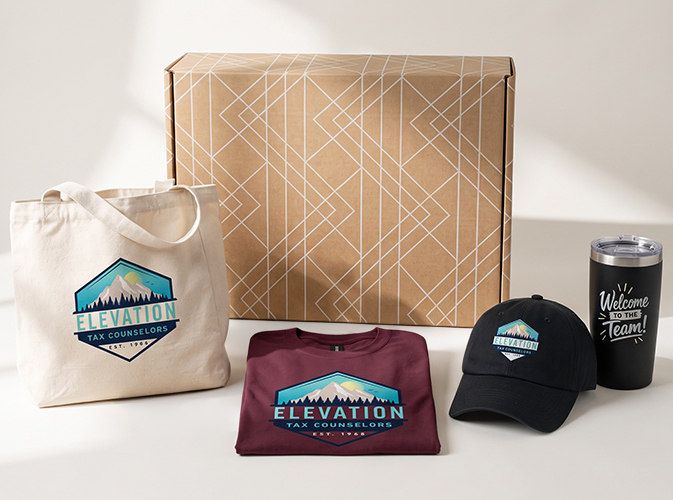
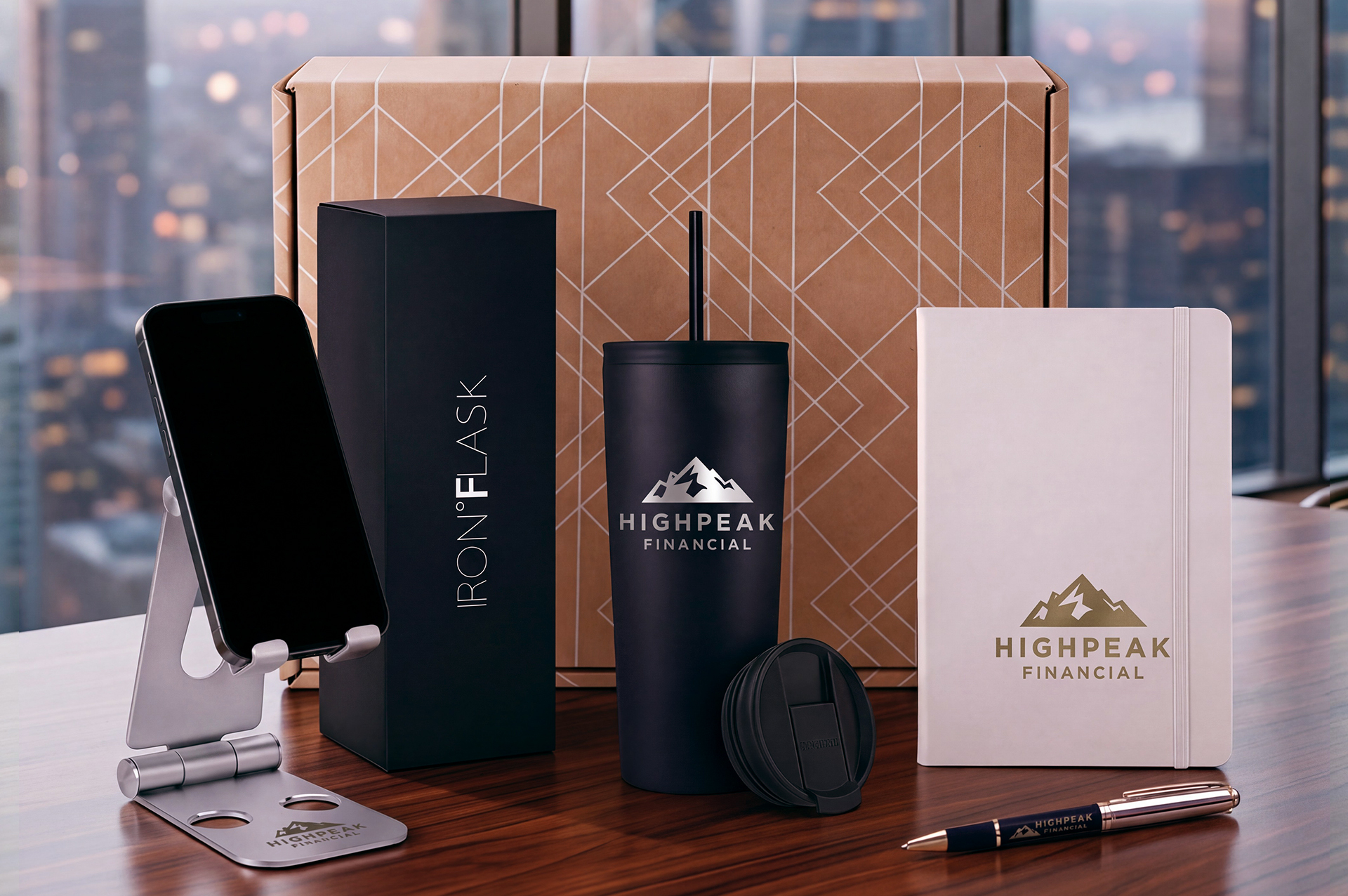
Q1 (January–March): The Fresh Start — Utility & OrganizationNew year, new goals — most customers are in planning mode the first of the year. Give them tools that help them stay organized, so your brand earns daily visibility right when motivation is at its peak. Think branded notebooks and journals, or a quality custom pen with a personalized inscription.

Bonus: Dated or yearly-edition items like a 20XX planner or a ‘new year’ themed journal add a sense of timeliness that makes the gift feel deliberate, not generic.

Q2 (April–June): The Spring Setup — Convenience & TravelAs the weather warms and vacations get planned, practical on-the-go items shine. Promotional bags, insulated travel tumblers, tech accessory pouches, or custom luggage tags are the kind of customer appreciation gifts that will go the distance with your customers.

Bonus: items in this category tend to have a long lifespan — a quality tumbler or tote can stay in rotation for years, giving your brand exceptional long-term visibility.

Q3 (July–September): The Thoughtful Pick-Me-Up — Wellness & Local

Mid-year is the perfect moment for something personal. Locally sourced gifts signal that you care about quality over quantity, and that you support small businesses. Artisan honey jars, handmade soap bars, a small desk plant, or a high-quality scented candle all hit the mark.

Bonus: if you serve customers in multiple regions, sourcing locally in each area adds an extra layer of thoughtfulness. It shows you recognize where they reside, not just who they are.

Q4 (October–December): The Festive Finale — Shared Experience & Gratitude

End the year on a warm, memorable note. Edible gifts have a natural advantage: They’re immediately enjoyed, require no storage, and feel special without a big price tag. Gourmet snack boxes, hot cocoa kits, and delicious baked goods are always appreciated during the holiday season.

Bonus: Timing matters most in Q4. Aim for gifts to arrive the week of Thanksgiving or early December, before the holiday rush takes over.

Quarterly Gifts the Build Customer Loyalty

Tips for Making Every Gift Count

Staying under budget and getting it right comes down to being intentional. Keep these strategies in mind as you build your program:

  • Buy in bulk. Volume discounts on promotional gifts can significantly reduce your per-unit costs. Order quarterly supplies ahead of time to lock in the best pricing.
  • Keep branding subtle. A small logo on packaging beats a giant emblem on the product. Gifts that don’t look like ads are far more likely to be used and kept.
  • Prioritize usefulness. Desk organizers, portable chargers, quality pens, and reusable tumblers are rarely discarded. Function drives how often a gift gets used, which is where your brand exposure lives.
  • Personalize when you can. A notebook for a customer who loves journaling, a plant for one who mentions their home office — small observations make gifts feel curated, not generic.
  • Leverage local makers. Custom items from nearby bakeries or artisan suppliers are often more affordable than national gift services — and the local angle adds a thoughtful, community-minded touch.
  • Always include a handwritten note. It costs almost nothing but dramatically increases the perceived value of any gift, regardless of price.
  • Think beyond physical items. A complimentary service upgrade or early feature access can feel just as valuable, with zero production cost.
  • Consider a charitable donation. A small gift to a cause aligned with a customer’s values can be the most meaningful gesture of all for the right audience.

Custom Appreciation Gifts

Ready to Build Your Quarterly Gift Program?

Amsterdam has everything you need to create thoughtful, on-brand customer appreciation gifts at prices that make a quarterly cadence genuinely sustainable. From custom notebooks and branded totes to personalized drinkware, explore our full range of low cost promotional gifts and start building loyalty one quarter at a time.

Need help organizing your gifting?  Check out VOPZ, our virtual short-term online shops that provide a choice in gifting. We work with you to curate a small set of branded products, and build a custom shop to showcase the options to your recipients.

FAQS:

1. What is a quarterly customer gifting strategy?

A quarterly customer gifting strategy involves sending small, thoughtful gifts to customers four times a year. Instead of one large annual gift, this approach focuses on consistent, meaningful touchpoints that keep your brand top of mind and strengthen long-term relationships.

2. Why are smaller, frequent customer appreciation gifts more effective?

Smaller, frequent gifts create more consistent engagement and brand visibility than a single large gift. Regular touchpoints help build loyalty, reinforce relationships, and increase the chances your brand stays top of mind throughout the year.

3. What types of promotional gifts work best for each quarter?

The most effective gifts align with seasonal needs:

  • Q1: Organization items like notebooks and planners
  • Q2: Travel and convenience items like totes and tumblers
  • Q3: Wellness or locally sourced gifts like candles or plants
  • Q4: Edible gifts or shared experiences like snack boxes

4. How can you keep customer appreciation gifts under budget?

You can stay under budget by buying in bulk, choosing practical items, keeping branding subtle, and planning gifts in advance. Focusing on usefulness and personalization ensures even low-cost gifts feel valuable and are more likely to be used.

5. How do you make promotional gifts feel more personal?

To make gifts feel personal, tailor them to customer preferences, include handwritten notes, and consider locally sourced or meaningful items. Even small details—like matching a gift to a customer’s interests—can make a big impact.

What Branded Tech Accessories Do People Really Keep?

What Branded Tech Accessories Do People Really Keep?

Walk into any office, airport lounge, or coffee shop and the pattern is clear: branded tech accessories are everywhere but only a handful of items ever make it out of the laptop bag. The gap between a forgotten promo item and a “can’t-live-without-it” tool comes down to a single metric: utility.

Today’s most effective branded tech accessories aren’t flashy novelties. They are practical, durable, and quietly solve the friction points of modern life. When a tool becomes essential, the brand behind it becomes a permanent fixture in the user’s daily routine.

Why Utility Wins Every Time

The most successful branded tech accessory doesn’t rely on a “cool factor” — it relies on necessity.

Nobody plans their day around a promotional gift, but they do plan it around a phone that needs to stay charged, earbuds that need to connect instantly, and a workspace that needs to stay organized. If an item solves a real-world problem, it earns a spot in the user’s workflow.

The logic is simple: If it gets used, it gets seen. If it gets seen, it builds brand recall naturally, without ever feeling like advertising.

DID YOU KNOW?

Branded tech accessories consistently rank among the most valued corporate gifts, especially for client-facing industries.

Top 7 Branded Tech Accessories

1. Power Solutions: The Everyday Lifesavers

Few categories are as universally appreciated as power accessories. In a world of “low battery anxiety,” compact power banks, fast-charging cables, and wireless pads are the ultimate value-add. Reliable brands like Anker have set the standard here; a compact charger that rescues a phone mid-commute isn’t just a gadget — it’s a survival kit. When your logo is on the device that keeps someone connected, you aren’t just a vendor; you’re a lifesaver.

2. Phone Accessories with Staying Power

Phone accessories are arguably the most visible branded tech category because they travel everywhere with the user. Phone stands, wallets, and grips are prime examples of high-retention products. These aren’t just accessories; they change how people hold, use, and interact with their phones. A phone stand on a desk turns into a video-call essential. A grip becomes a one-handed texting tool. A wallet attachment replaces a bulky pocket wallet for quick errands. The key here is repetition. Every time the phone is picked up, the brand is right there in hand.

3. Stylus Pens: Precision Meets Productivity

Fingers get the job done, but stylus pens make it sharper, cleaner, and more controlled. Whether signing documents, jotting notes, or sketching ideas, they turn routine touchscreen use into a more refined experience. What makes them especially effective is context: styluses show up in moments of focus. They live on desks, clip to notebooks, and stay within reach. Each use ties your brand to clarity, productivity, and ease.

4. Audio & Productivity Gear That Travels Everywhere

As work and leisure blend, audio gear has become a high-impact category. Wireless earbuds and portable Bluetooth speakers (think JBL) are now everyday essentials used in home offices, gyms, and transit. When tech makes a transition smoother or a workday more focused, it earns a permanent home in the user’s backpack.

5. Desk Essentials That Stay Visible All Day

Some of the most effective branding happens on the desk, where accessories benefit from hours of “passive” exposure. Mouse pads with integrated wireless charging or sleek cable organizers reduce clutter while keeping a brand front and center. Because the desk is a consistent, high-traffic environment, earning a spot here ensures your brand is seen for hours every single day.

Tech accessories for desks

6. Eco-Friendly Tech: Utility with a Message

Sustainability is no longer a “nice-to-have” — it’s a modern expectation. Recycled plastic chargers or bamboo-cased power banks do more than provide a charge; they communicate shared values. When a user chooses a sustainable accessory, they are making a statement about their own identity. For companies, this creates a “double win”: functional utility paired with a purposeful narrative.

7. Bluetooth Trackers: Small Devices, Big Peace of Mind

Bluetooth trackers have quietly become indispensable. By solving a universal human frustration — losing keys or luggage — these small devices provide massive emotional value. From a branding perspective, trackers are powerful because they are tied to relief and convenience, two of the most memorable emotional triggers a brand can tap into.

The “Essential” Checklist

What separates a “keep-it” item from a “trash-it” item? The best branded tech accessories share three traits:

  • Durability & Quality: People don’t keep items that feel like they’ll break in a week. Premium finishes and reliable components extend both the product’s life and your brand’s exposure.
  • Portability: If it’s too bulky, it stays home. If it fits in a pocket, it travels the world.
  • Daily Friction Reduction: The best tech solves recurring headaches: low batteries, tangled cords, or poor ergonomics.

The Bottom Line

Visibility is a byproduct of value. Branded tech accessories succeed when they don’t feel like marketing at all. The more useful the tool, the more it is used —and the more that brand becomes a seamless part of the user’s routine.

In the end, the most powerful branding doesn’t shout for attention. It slips into your pocket, your workflow, your day, and quietly becomes something you wouldn’t want to be without.

FAQs:

1. What branded tech accessories do people actually keep and use daily?
People tend to keep branded tech accessories that solve everyday problems, such as power banks, charging cables, wireless earbuds, phone stands, and Bluetooth trackers. Items with consistent daily utility are far more likely to be retained and used regularly.

2. Why are useful branded tech accessories more effective for marketing?
Useful tech accessories integrate into a person’s daily routine, creating repeated brand exposure without feeling like advertising. The more frequently an item is used—like a charger or phone grip—the stronger the long-term brand recall.

3. What makes a branded tech accessory “high retention”?
High-retention tech accessories share three core traits: durability, portability, and practical function. Products that are reliable, easy to carry, and solve common frustrations (like low battery or clutter) are more likely to be kept.

4. Are eco-friendly branded tech products as effective as traditional ones?
Yes—eco-friendly tech accessories can be even more impactful when they combine sustainability with functionality. Items like recycled chargers or bamboo power banks appeal to users who value both performance and environmental responsibility.

5. How do branded tech accessories improve brand visibility over time?
Branded tech accessories improve visibility through repeated, passive exposure. Items used at desks, during travel, or on mobile devices keep a brand consistently in view, reinforcing recognition without interrupting the user experience.

How Hospitality Merchandise Turns a Hotel or Resort Stay into a Story

How Hospitality Merchandise Turns a Hotel or Resort Stay into a Story

In hospitality, it’s often the smallest, most thoughtful details that guests remember long after checkout. Well‑chosen hotel merchandise—whether tech accessories, wellness amenities, or locally inspired gifts—creates a personal connection that standard amenities can’t replicate. When used intentionally, branded hospitality merchandise enhances the guest experience, strengthens loyalty programs, and extends your property’s presence into guests’ daily lives.

Think about the last hotel stay that genuinely surprised you. Chances are, it wasn’t the thread count or the lobby design that stuck with you — it was something small and unexpected waiting on the nightstand, or a thoughtful touch at check-in that made you feel like more than a reservation number. That’s the power of well-chosen hospitality merchandise. And for hotels and resorts looking to build real guest loyalty, it’s one of the most underutilized tools in the branding playbook.

Whether you’re curating welcome amenity packages, building a loyalty rewards program, or simply looking for ways to extend the guest experience beyond checkout, branded hotel merchandise gives you something that square footage and star ratings can’t fully deliver: a tangible, personal connection.

Here’s a look at the categories that are making the biggest impact right now — and how to maximize each one:

A portable charger with your hotel’s logo is the perfect practical amenity. Guests pack it for their next trip and reach for it in airports, coffee shops, and conference rooms — carrying your brand well beyond checkout. The same goes for travel adapters and wireless earbuds. Tech-forward hospitality merchandise signals that your property understands what modern travelers need, and it delivers that message every time the item gets used.

The in-room wellness category has grown well beyond the standard shampoo-and-conditioner setup. Branded water bottles, yoga mats, essential oil rollers, and sleep kits (think eye masks and calming sprays) have become genuine differentiators for properties in the wellness and lifestyle space. A branded water bottle that guests take home is particularly effective hospitality merchandise — it combines daily utility with consistent logo visibility in a way few other items can match.

  • Gourmet Coffee, Tea, and Local Flavor

There’s a reason the best hotel stays often come with a memory of a specific taste. A locally sourced coffee blend in a branded bag, a selection of artisanal loose-leaf teas, or a small box of chocolates from a regional maker does double duty: It creates a sensory memory tied to your property and showcases the character of your destination. For resorts especially, leaning into local culinary identity through welcome amenities is a smart, scalable way to make the branded merchandise for hotels feel curated rather than corporate.

  • Loyalty Program Gifts: Make the Reward Feel Like One

While points are transactional, a thoughtfully chosen physical gift is personal. When loyalty program perks include branded merchandise — a leather luggage tag, an engraved keychain, a premium tote, or a custom notebook — they communicate that the property values the relationship. The best loyalty gifts in the hospitality space are ones that feel like they were chosen with intention, not pulled from a catalog at the last minute. Drinkware, travel accessories, and premium stationery consistently land well across guest demographics.

  • Experiences and Exclusivity

Not all hospitality merchandise is a physical product — sometimes the most memorable gift is access. Branded packaging around an exclusive experience (a guided local tour, a spa treatment, a private cooking class with a regional chef) elevates the experience itself and reinforces the property’s identity. Pair the experience with a small, branded takeaway — a custom recipe card, a locally made ingredient kit, a commemorative item — and you’ve created something guests will talk about and share.

Hospitality Merch

The Bigger Picture: Merchandise as Brand Strategy

The most effective branded merchandise for hotels doesn’t feel promotional — it feels personal. That distinction comes down to relevance and quality, and it’s what drives return visits, positive reviews, and the kind of word-of-mouth no ad budget can buy.

The good news is that building a strong hospitality merchandise program doesn’t require a massive investment. It requires intention — knowing your guest, understanding what they value, and choosing products that genuinely reflect the experience your property delivers.

Ready to build a welcome amenity or loyalty gift program that leaves a lasting impression? Browse our full collection of hotel promotional products — from branded drinkware and wellness accessories to tech gifts and travel essentials — to find the right fit for your property and your guests.

FAQs: Hotel & Hospitality Merchandise

1. Why is branded hotel merchandise effective for guest loyalty?

Branded merchandise creates tangible, personal touchpoints that make guests feel valued, helping strengthen emotional connections and encourage return visits.

2. What types of hotel merchandise make the biggest impact?

High‑impact items include tech gadgets, wellness products, drinkware, travel accessories, gourmet local items, and loyalty gifts that guests actually use and keep.

3. How do wellness amenities enhance the guest experience?

Wellness‑focused items like water bottles, sleep kits, yoga accessories, and essential oils elevate in‑room comfort while reinforcing a hotel’s lifestyle or wellness positioning.

4. Are physical gifts more effective than points in loyalty programs?

Physical gifts often feel more personal than points, helping loyalty rewards feel intentional and memorable rather than transactional.

5. How can hotels use merchandise without it feeling promotional?

By choosing relevant, high‑quality items that align with guest needs and local experiences, merchandise feels thoughtful and curated instead of branded advertising.

How Branded Swag Turns Virtual Events and Webinars into Must-Attend Experiences

How Branded Swag Turns Virtual Events and Webinars into Must-Attend Experiences

Let’s be honest — most webinars face the same issue: people sign up with every intention of attending… and then don’t.

Between overloaded calendars, digital fatigue, and a flood of reminder emails, even great events get lost in the noise. That’s where swag for virtual events can make a real difference.

The right physical touchpoint gives people a reason to pay attention and a reason to show up.

Sending something they can actually hold turns a fully virtual experience into something tangible, memorable, and worth prioritizing. Done right, it doesn’t just boost attendance; it elevates the entire event.

Why Branded Swag Changes the Game

Virtual events happen on screens, but connection doesn’t.

That’s where swag for virtual events makes an impact.

A thoughtfully curated promotional package creates excitement in a way no calendar invite ever could. It builds anticipation before the event even starts and adds a subtle sense of commitment. If someone took the time to send you something, you are far more likely to show up.

Physical items also have more staying power. A branded mug on a desk or a go-to hoodie becomes part of someone’s routine, keeping your brand top of mind long after the event ends.

When branded swag feels useful or enjoyable, like snack boxes or wellness kits, it shifts the tone from marketing to appreciation. That is what audiences genuinely respond to.

Top 6 Physical Swag Ideas for Virtual Events

Not all swag for virtual events is created equal. The goal isn’t just to send something — it’s to send something people actually want to use.

1. Upgrade Their Workday (and Their Desk Setup)

Remote work isn’t going anywhere, which makes desk-enhancing swag a guaranteed win. Think sleek webcam covers for privacy, ring lights for better video calls, USB hubs for convenience, or phone holders for multitasking.

These aren’t just freebies, they’re upgrades. When your branded swag improves someone’s daily workflow, it instantly becomes valuable.

2. Bring the Cozy Factor

Comfort is an underrated engagement tool. Soft promotional blankets, branded hoodies, or even beanies can transform a standard webinar into a relaxed, cozy experience. This is especially powerful for longer sessions or seasonal events. When attendees feel physically comfortable, they’re more likely to stay present and engaged.

3. Turn Screen Time into Snack Time

Food has a way of bringing people together, even virtually. Coffee or tea kits paired with a branded mug create a shared ritual, especially for morning events. Snack boxes, on the other hand, add an element of fun and energy. Instead of passively watching, attendees are actively enjoying the experience.

4. Classic — But Make It Premium

Stationery might seem simple, but high-quality personalized notebooks, planners, and pens never go out of style. The key is upgrading the quality. A beautifully designed notebook or a smooth-writing pen feels intentional and professional, something attendees will reach for again and again.

5. Swag with a Conscience

Custom eco-friendly products send a message beyond branding. Reusable straws, sustainable materials, or environmentally conscious kits show that your company cares about more than just visibility. For many audiences, that alignment matters just as much as the promotional gift itself.

6. Wellness That Works

Health-focused swag is both practical and appreciated. Branded water bottles, hand sanitizers, or small wellness kits help attendees feel cared for. It’s a subtle but powerful way to say: “We value your well-being, not just your attendance.”

How Branded Swag Can Boost Attendance

Swag for virtual events works best when it’s part of a larger strategy.

  • Build Anticipation Early: Send a small package ahead of time to spark excitement. Even a simple custom item acts as a tangible reminder that your event is coming, transforming it from “just another calendar entry” into something participants have already engaged with.
  • Make It Interactive: The most memorable swag gets used. Hands-on kits, like cocktail-making sets, DIY project tools, or workshop materials, turn passive viewers into active participants, making your webinar feel more like an experience than a lecture.
  • Add Incentives: High-value or exclusive prizes, such as tech gadgets or premium apparel, encourage attendance and participation. Link rewards to engagement activities, like polls, Q&A sessions, or feedback, to keep energy levels high from start to finish.

swag for webinars and virtual events

Strategies to Make Swag for Virtual Events Memorable

A great idea can fall flat without the right execution. Here’s how to make sure your swag hits the mark.

  • Get Shipping Right
    Timing matters. Plan ahead to ensure everything arrives smoothly, especially for global audiences.
  • Focus on Usefulness
    If people use it, they remember you. Prioritize promotional items that fit naturally into everyday life.
  • Add a Personal Touch
    A handwritten note or custom message can turn a simple package into something memorable.
  • Connect Physical to Digital
    Include a QR code that links to your event or follow-up content to tie the whole experience together.

Turn Virtual Events into Real Experiences

Virtual events don’t have to feel distant or forgettable. With the right swag strategy, you can create moments of surprise, comfort, and connection that screens alone simply can’t deliver.

At the end of the day, people may forget another webinar, but they won’t forget how your event made them feel. And sometimes, that feeling starts with a personalized package on their doorstep.

FAQS: Swag for Virtual Events

1. Why does swag increase attendance for virtual events?

Swag creates anticipation and gives attendees a tangible reason to prioritize your event. Receiving a physical item beforehand turns a virtual webinar into a real experience and makes people more likely to show up.

2. What types of swag work best for virtual events?

The most effective swag for virtual events is useful and high-quality, such as desk accessories, apparel, drinkware, snack kits, and wellness items. Practical items are more likely to be used long after the event ends, keeping your brand top of mind.

3. When should swag be sent for a virtual event?

Swag should be sent far enough in advance to arrive before the event date. Receiving the package early builds excitement and serves as a physical reminder that reinforces attendance.

4. Is swag for virtual events worth the cost?

Yes — when done strategically, swag can significantly improve attendance, engagement, and brand recall. Compared to digital-only promotions, physical swag offers longer-lasting visibility and a lower cost per impression over time.

5. How can swag be used to increase engagement during a webinar?

Interactive swag, such as workshop kits, snack packs, or items used during the event, encourages participation instead of passive viewing. Pairing swag with activities like polls, demos, or giveaways helps keep attendees engaged from start to finish.

How Promotional Products Bridge Trade Shows and Digital Marketing Campaigns

How Promotional Products Bridge Trade Shows and Digital Marketing Campaigns

Digital attention is getting more expensive and harder to hold. Ads are skipped, emails are archived, and banner blindness is real. Spring trade show season is almost here — and every brand is fighting to be remembered after the badge lanyard comes off.

The brands winning right now aren’t choosing between digital and physical. They’re blending both. A promotional product isn’t just a giveaway — it’s the item still sitting on someone’s desk three months later, the QR code scanned out of curiosity, the photo posted because the swag was too good not to share.

That’s the hybrid marketing advantage. And this spring, it’s the smartest play you can make.

5 Strategies That Bridge Your Physical and Digital Worlds

Great hybrid campaigns don’t happen by accident. They’re built around intentional moments where the physical product and the digital experience amplify each other. Here are five strategies that work especially well heading into trade show season:

  1. Interactive Tech & QR Codes
    Add a QR code to your promo items — a tote bag, a power bank, a branded badge holder — and link it somewhere worth visiting: a special discount, a product demo, or an event recap video. It’s a simple way to turn a giveaway into a conversation starter, with the added bonus of knowing who followed up after the show.
  2. Driving User-Generated Content
    Give people something worth photographing. A well-designed, eye-catching item with a fun branded hashtag is social media content waiting to happen. Encourage your booth team to prompt visitors to snap and share before they walk away. When customers post about your brand on their own, that’s word-of-mouth gold.
  3. Pairing Swag with Virtual Touchpoints
    Hosting a webinar or virtual event? A branded notebook or a quality mug arriving after sign-up adds a personal, tangible touch to what can otherwise feel like just another online activity— and keeps your brand front and center when it matters most.
  4. Trackable Campaigns
    A QR codes does double duty when it’s also tied to a unique link that you can measure. Put trackable links on your flyers and mailers, too, so you have a clear picture of what drove people to act.
  5. Personalized Gifting
    Not every giveaway has to be one-size-fits-all. A returning customer or a hot prospect? Give them something a little more premium. A first-time visitor? A great branded welcome kit does the job. Small tweaks like this go a long way, especially when the booth next to you is handing out the same stress ball as everyone else.

5 Strategies That Bridge Your Physical and Digital Worlds

The Real Benefits of a Blended Approach

When physical and digital work together, something clicks. A great promo product doesn’t disappear when a campaign wraps up — it lives on desks, in bags, and in kitchens, quietly keeping your brand visible in a way no digital ad can replicate. That kind of staying power builds familiarity, and familiarity builds trust.

When people already have a positive association with your brand before they even see your next email or social post, they’re more likely to engage — and more likely to buy. Layer in a consistent message across every touchpoint, from your mailers to your website, and you’ve created a campaign with real impact.

Your Spring Trade Show Hybrid Marketing Checklist

Ready to integrate your promo products into a well-coordinated strategy this season? Work through this before you pack up the booth displays:

  • Choose a signature giveaway item that reflects your brand identity— something people will keep and use daily
  • Add a QR code that links somewhere specific and worthwhile, like a special offer or a product page built just for the event
  • Create a fun, memorable hashtag and remind your team to encourage visitors to snap and share while they’re still at the booth
  • Save your best giveaways for your best prospects; not every item needs to go to every person who walks by
  • Think about sending something in the mail before or after the event to keep the connection going beyond the booth
  • Follow up with people who scanned your QR code — they already showed interest, so don’t let that moment fade
  • After the show, review what drove the most clicks and activity so you know what to do more of next time

The businesses that walk away from trade show season with real results aren’t the ones with the flashiest booth, Rather, they’re the ones who thought through every touchpoint, from the giveaway in someone’s hand to the email that lands in their inbox the following week.

Combine Physical Products with Digital Power

Promotional products aren’t a relic of old-school marketing; They’re the missing link in your digital strategy. Use them with intention, connect them to your online world, and watch what happens when the physical and digital finally start working as one.

Trade Show Tip: Plan Your Giveaway Before You Book Your Booth

The most common trade show mistake? Ordering promo products as an afterthought. The best brands get more out of their shows by integrating their giveaways into the overall experience. Think about the product, how it connects people back to you digitally, and how you’ll follow up. Do that from that start, and everything else
falls into place.

Promotional Fidget Pens for Businesses: A Practical Branded Giveaway That Drives Daily Use

Promotional Fidget Pens for Businesses: A Practical Branded Giveaway That Drives Daily Use

Promotional pens are everywhere but most disappear after a single use. Custom fidget pens change the game. They combine smooth, high-quality writing with a clever, built-in fidget feature — often a spinner, slider, or click mechanism — that lets users subtly move or play with the pen while thinking, brainstorming, or focusing.

The result? Custom fidget pens encourage interaction every time they’re picked up and keep your brand visible throughout the workday.

For businesses looking for a cost-effective way to get noticed, custom fidget pens are a smart solution.

Why Businesses Are Making the Switch

Traditional giveaways often end up forgotten. Custom fidget pens hold their value and deliver on the three essentials for ROI: function, interaction, and visibility.

Key Benefits:

  • Longer Retention: They’re kept longer than standard plastic pens.
  • Desk Visibility: More time on the desk means more brand impressions.
  • Natural Engagement: Fidgeting reinforces brand recall during meetings and calls.
  • Better ROI: A one-time cost keeps giving for months.

By becoming part of daily routines, these pens continue providing value long after they’re handed out.

Where Custom Fidget Pens Work Best

Custom fidget pens shine in situations where attention is limited and competition is high:

  • Trade Shows & Events: Stand out in crowded spaces and give attendees a reason to keep your pen.
  • Sales Leave-Behinds: Extend the conversation with a tool that reinforces your brand.
  • Employee Onboarding Kits: Add a thoughtful, practical item that makes a strong first impression.
  • Customer Appreciation Campaigns: Offer something that feels intentional and gets used every day.

Across all scenarios, the formula is the same: more interaction equals more visibility.

Custom Fidget Pens vs. Standard Promotional Pens

Not all pens are created equal. Standard promotional pens are quickly forgotten or tossed aside. Spinner pens grab attention and keep users coming back, turning every pick-up into a moment of interaction.

What sets them apart:

  • Longer Desk Life: Interactive design keeps them in hand.
  • Repeated Daily Use: Subtle motion encourages engagement.
  • Consistent Brand Exposure: Every pick-up reinforces your logo.
  • Reduced Waste: Fewer tossed pens = better return on your investment.

In short, while standard pens fade into the background, fidget pens keep your brand top of mind. For businesses focused on ROI, this small innovation makes a big difference.

Meet the Standouts: Two Pens That Deliver

1. Saratoga ModuSpin Gel Glide Pen: Built for the high-energy professional.

The Saratoga ModuSpin blends a premium writing experience with a satisfying integrated spinner. It’s designed for frequent, hands-on use to keep engagement levels high.

401995-Navy-Animation

Key features:

  • Built-in spinner that encourages constant use
  • Softex Luster finish for a premium feel
  • Gel Glide ink for smooth, reliable writing
  • Laser-engraved branding for a clean, professional look

Best for:

  • Trade show giveaways that need to stand out
  • Sales leave-behinds that stay within reach
  • Employee welcome kits where quality reflects brand perception
  • The more it spins, the more your brand is seen — simple math.

Saratoga ModuSpin Gel Glide Pen

2. ClipMotion Pen — Subtle. Professional. Surprisingly engaging.

The ClipMotion Pen offers a quieter form of interaction with its integrated sliding clip ideal for environments where discretion matters.

Key features:

  • Integrated slider for controlled, low-profile movement
  • Matte black barrel with modern, understated styling
  • Ergonomic design for all-day comfort
  • Clean branding area suited for corporate settings

Best for:

  • Executive meetings and client-facing environments
  • Employee onboarding and internal programs
  • Conferences with a more refined audience

It delivers the same engagement benefits, just with a more polished approach.

ClipMotion Pen

ROI in Every Click and Spin

The best promotional products aren’t the ones you hand out in bulk — they’re the ones people actually keep. Fidget pens combine everyday utility with subtle interaction, earning a permanent spot on desks and in hands.

If your goal is long-term brand exposure rather than just a one-off distribution, the choice is clear.


Employee/Partner Merch Store Key Performance Indicators (KPIs) That Truly Matter

Employee/Partner Merch Store Key Performance Indicators (KPIs) That Truly Matter

Launching an employee or partner merch store feels like a win. It centralizes branded merchandise, gives teams access to approved gear, and supports consistency across locations and partners.

But here’s the reality: A store that’s live isn’t necessarily a store that’s working.

To understand whether your merch program is driving engagement and staying cost-efficient, you need to track key performance indicators (KPIs). That means measuring more than just orders place but also engagement, redemption, and total program costs.

Defining What Success Looks Like

Success isn’t measured by how many SKUs sit in your store or how quickly it launched. A high-performing merch store supports bigger goals:

  • Stronger employee engagement and retention
  • Greater partner loyalty and brand alignment
  • Consistent, on-brand visibility across every touchpoint

KPIs give you clarity by indicating if your store is creating real value or simply existing in the background.

Engagement KPIs — Are People Actually Using the Store?

Engagement tells you whether your audience is paying attention — even before they place an order.

Key metrics to watch:

  • Store visits and unique users
  • Repeat visits
  • Click activity on featured collections
  • Time spent browsing

High engagement typically signals strong awareness, relevant products, and effective communication around the program.

Potential red flags are when traffic is high but orders are low, or when engagement spikes only after reminder emails. That usually points to product mix, pricing or communication gaps.

If people are browsing but not buying, something needs adjusting.

Redemption KPIs — Are Allocated Credits Being Used?

If your store includes employee allowances, reward points or partner credits, redemption rate is critical.

Important measures include:

  • Percentage of issued credits redeemed
  • Average redemption value per user
  • Time between credit issuance and redemption
  • Partial versus full credit usage

Low redemption often indicates that products don’t feel valuable, pricing leaves awkward leftover balances, or navigation feels complicated.

Improving redemption can be as simple as refreshing assortments, offering varied price points, or simplifying the user experience.

When credits go unused, engagement and budget efficiency both suffer.

Cost KPIs — What Is the Program Really Costing?

Merch programs involve more than product price.

Core cost metrics include:

  • Average order value
  • Cost per redemption
  • Cost per active user
  • Fulfillment and shipping expenses

Hidden costs can quietly erode ROI:

  • Excess inventory
  • Rush production
  • Returns and exchanges due to sizing issues

Smart programs balance bulk purchasing with on-demand options, review assortments quarterly, and monitor underperforming items before they drain budget.

Cost visibility prevents surprises and keeps your program sustainable long term.

Merch Store Success: 3 Pillars of ROI

Finding the Right Balance

Focusing on one KPI in isolation rarely works. For example, high engagement with low redemption signals missed opportunity. And high redemption with rising costs indicates inefficiency.

The strongest merch stores hit a balanced sweet spot:

  • Products feel desirable
  • Budgets are used effectively
  • Costs remain predictable
  • Participation continues steadily over time

Turning Data Into Action

Reviewing performance quarterly keeps your store evolving. Data can help you:

  • Retire slow-moving items
  • Expand popular categories
  • Adjust credit amounts
  • Introduce seasonal or limited collections

KPIs also help justify expanding your program or increasing budget because you can clearly demonstrate engagement and impact.

Rather than feel static, a merch store should grow alongside your workforce and partner network.

The Bottom Line with Company Store KPIs

Employee/partner merch stores are powerful tools for engagement, recognition, and brand consistency — but only when managed intentionally. It’s important to:

  • Track engagement to measure interest
  • Track redemption to measure value
  • Track costs to protect sustainability

When these three metrics work together, your merch store becomes a strategic asset.

If you’re evaluating your current program or building a new one, the right structure and reporting framework can make all the difference. Amsterdam’s Online Company Stores are designed to help you simplify management, control costs, and keep participation strong — all while delivering branded merchandise your people want to wear and use.