
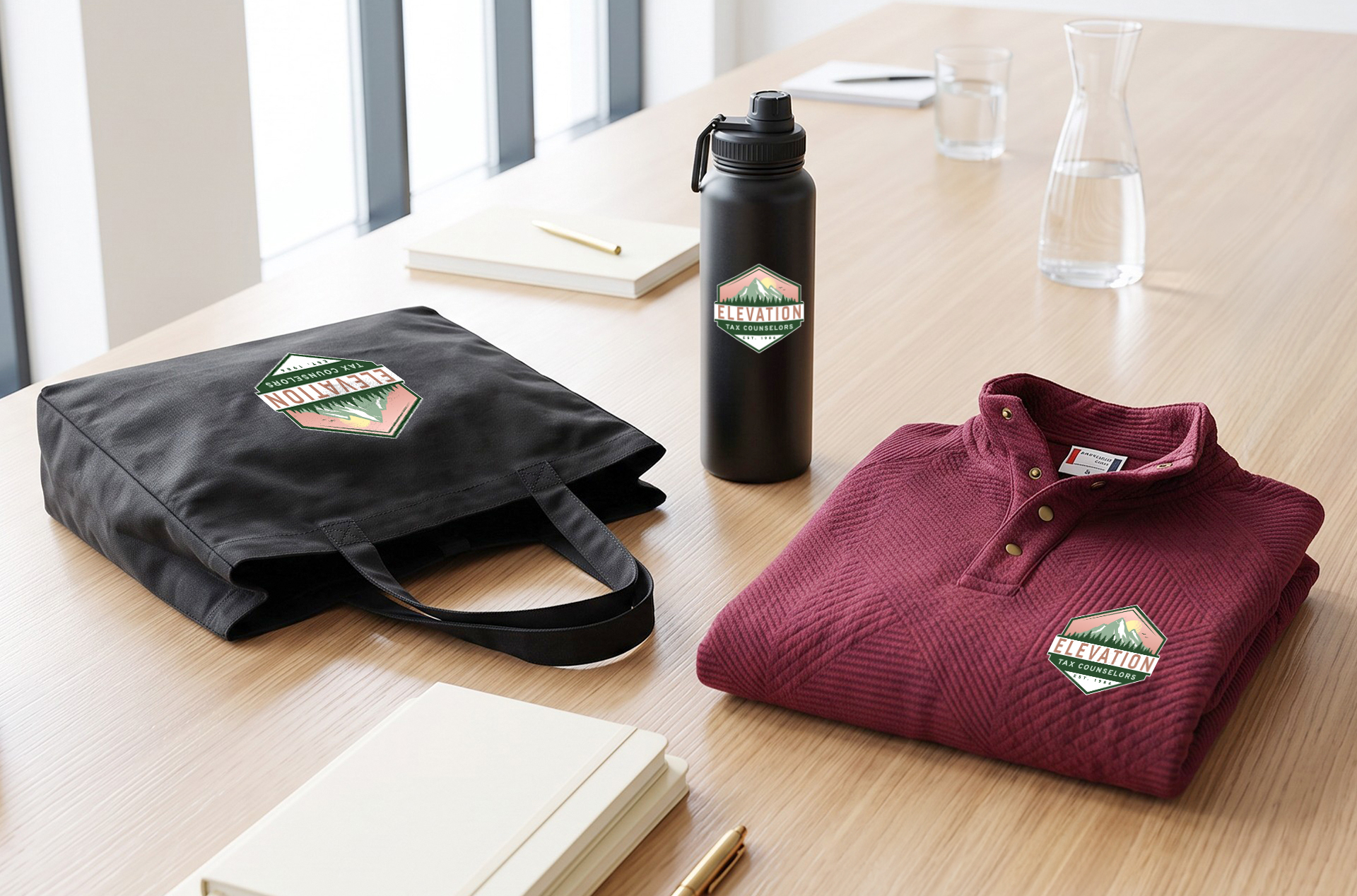
Turn Your Promotional Product Audit Into a Strategic, Second-Half Spending Plan
The middle of the year is the smartest time to take stock of your promotional products, because you have six months of real performance data behind you and six months of events, campaigns, and hiring ahead. This mid-year swag audit guide walks through how to evaluate your current swag inventory, which promotional products deserve a reorder, which items to retire, what to refresh for the second half of the year, the questions to ask before placing new orders, and a practical checklist to keep budgets working toward measurable goals.
KEY TAKEAWAYS
- A mid-year swag audit replaces autopilot reordering with decisions based on six months of real usage and engagement data.
- Reorder the proven performers: items with low inventory, frequent requests, and use across multiple events or audiences.
- Retire products with untouched excess inventory, outdated branding, quality problems, or fading trend appeal, and do it deliberately rather than letting them occupy storage.
- Refresh selectively by testing updated drinkware, current apparel styles, tech accessories, wellness items, and sustainable options against a clear goal.
- Every second-half order should answer three questions: 1) Who is it for, 2) What should it accomplish, and 3) How will you know it worked.
Why Every Company Should Conduct a Mid-Year Swag Audit
Most promotional product budgets run on momentum. The same pens get reordered because they were ordered last year, the same trade show items ship to every event, and storage closets quietly fill with products nobody has requested since spring. The result is a budget that funds habit rather than performance.
A swag audit interrupts that cycle. By July, you know which items disappeared from the conference table in an hour and which came home in the same boxes they left in. You know what new hires kept from their welcome kits and what sales reps ask for before client visits. That knowledge is valuable if you act on it, and mid-year is the moment. You’re early enough to influence fall trade shows, fourth-quarter gifting, and holiday events, yet late enough to have real data instead of guesses.
The audit itself is a simple three-part exercise: identify what deserves a reorder, decide what to retire, and choose what to refresh. Keep reading to work through each step.
Step 1 – Identify What Deserves a Reorder
Start with the winners, since they anchor your second-half plan. Three signals point to a reorder:
- Low inventory. If an item is nearly gone by June, demand outpaced your forecast. Running out mid-campaign is the most expensive swag mistake, because rush orders cost more and stockouts leave events undersupplied.
- Frequent requests. When sales teams, recruiters, or event staff specifically ask for an item, that item is doing its job. Internal pull is one of the most reliable performance indicators you have.
- Use across multiple events and audiences. Products that work equally well at a trade show booth, a new-hire orientation, and a client meeting deliver more value per dollar than single-purpose items.
In practice, the reorder list usually centers on everyday workhorses: custom pens, drinkware, tote bags, notebooks, and popular apparel styles. These categories persist year after year because they solve daily problems, which keeps them in use and your brand in view.
Signs a Promotional Product Is Still Working
Inventory levels tell you what left the building, as well as what happened next.
- You see the item in the wild. This may be employees carrying the tote, clients drinking from the tumbler on video calls, or attendees wearing the shirt on day two of the conference.
- Recipients mention it. Compliments, reorder requests from partners, or “do you have any more of those” emails are engagement data in plain language.
- It supports a current initiative. An item tied to an active campaign, product launch, or employer-brand push is earning strategic value beyond impressions.
- Cost per use keeps falling. A durable item used daily for a year costs pennies per impression, while a novelty item used once costs its full price.
If an item checks two or more of these boxes, protect it in the budget before funding anything new.
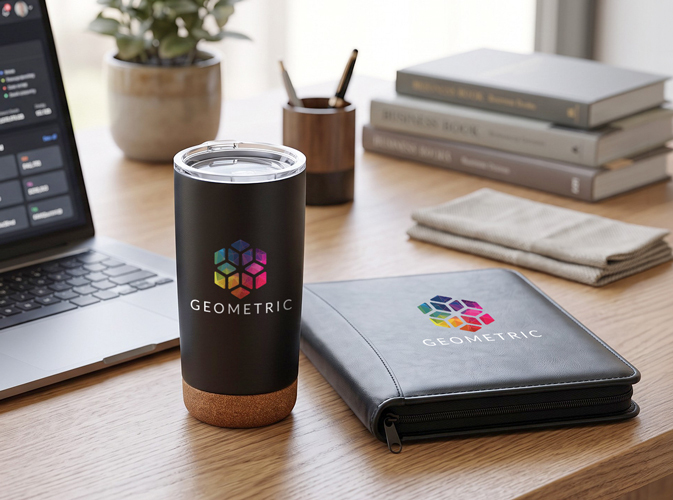
Step 2 – Know What to Retire
Retiring products is where most swag programs hesitate, because it feels like admitting a purchase didn’t work. But think of it like this: Pruning underperformers frees budget and storage for items that earn their keep.
Retirement doesn’t have to mean the dumpster, either. Excess inventory with current branding can be donated to schools, shelters, or community events, used as internal giveaways, or bundled into employee appreciation efforts. Items with outdated branding should be pulled from circulation entirely, since every outdated logo that leaves your office works against your current identity.
Products That May No Longer Deliver Value
Look for these five patterns in your inventory review:
- Untouched excess inventory. If a product has sat in storage since January with no requests, demand has spoken. Holding it another six months rarely changes the outcome.
- Outdated branding or messaging. Old logos, retired taglines, discontinued product names, or last year’s event dates make an item a liability rather than an asset.
- Poor quality. Pens that skip, bags that fray, and drinkware that leaks transfer their flaws to your brand. If an item generated complaints or visible wear, retire it regardless of remaining stock.
- One-time trend items. Products tied to a fad spike hard and fade fast. If the trend peaked last year, the remaining units will only look more dated at your fall events.
- Low-engagement giveaways. Items that consistently get left behind on tables, in hotel rooms, or at booths are telling you they don’t clear the “worth carrying home” bar.
Step 3 – Decide What to Refresh
Refreshing is not the same as replacing everything. The goal is targeted updates where a category still works but the specific item has gone stale. Five areas typically offer the best refresh opportunities:
- Drinkware updates. Drinkware remains a top-performing category, but styles evolve. If your current tumbler design has been in rotation for several years, an updated shape, finish, or size can renew interest without abandoning a proven category.
- New apparel styles. Fit, fabric, and style expectations change quickly, and apparel only delivers impressions when people choose to wear it. Refreshing to current cuts and softer fabrics is often the difference between a shirt worn weekly and a shirt worn never.
- Tech accessories. Chargers, stands, and adapters evolve with the devices they serve. Verify that your tech items match current ports and habits before reordering last year’s version.
- Wellness products. Items that support health and self-care continue to gain ground because they signal that a brand values the recipient. Wellness promotional products work across audiences, from employee programs to client gifting.
- Sustainable swag options. Recipients increasingly judge brands by the materials they hand out. Sustainable promotional products made from recycled or renewable materials answer that expectation and tend to be kept longer, precisely because they feel more considered.
Treat refreshes as tests. Order a modest quantity, deploy at one or two events, and measure pickup and feedback before committing to volume. Your trade show giveaways lineup for fall is the natural proving ground.
Questions to Ask Before Ordering New Swag
Before any second-half order goes out, run it through six questions:
- Who specifically will receive this item, and does it fit how they work and live?
- What business goal does it support: lead generation, retention, recruiting, or brand awareness?
- Will recipients use it weekly, or is it a one-time novelty?
- Does the quality reflect how we want the brand perceived?
- How will we measure whether it worked: inventory velocity, requests, leads captured, or visible use?
- Is there an existing proven item that already serves this purpose better?
If an item can’t produce clear answers to the first two questions, it isn’t ready for the purchase order.
Mid-Year Swag Audit Checklist
Use this quick pass to turn swag inventory management into a repeatable routine:
- What inventory is running low, and did it run low because of genuine demand?
- Which products have excess inventory, and why did they stall?
- Which items get used most often, by employees and by recipients?
- Is all branding current, including logos, taglines, colors, and messaging?
- Which products support current business goals for the second half?
- Which products deliver the best value measured by cost per use, not just unit price?
An hour with this checklist, your inventory counts, and input from the teams who distribute swag will surface nearly every decision you need to make.
Build a Better Second-Half Swag Strategy
With the audit complete, translate it into a plan. Consolidate spending behind your proven performers so flagship events are never undersupplied. Assign retired inventory a specific exit path, whether donation, internal use, or disposal, with a deadline attached. Schedule one or two refresh tests at early-fall events so results can inform fourth-quarter orders. Finally, set reorder points on your staples so you reorder promotional products based on thresholds instead of memory.
This is also the right moment to fold promotional product planning into the calendar ahead since fall trade shows, open enrollment and HR events, client appreciation season, and holiday gifting all land in the next two quarters. A mid-year plan means those moments are supplied deliberately rather than in a November scramble.
Audit First, Order Second
The smartest marketers don’t reorder swag on autopilot. They let six months of evidence decide what earns another purchase order, what exits the storage closet, and what gets a fresh test. Run the audit now, and every promotional product dollar you spend in the second half will be backed by performance instead of habit.
FREQUENTLY ASKED QUESTIONS
1. What is a swag audit?
A swag audit, sometimes called a promotional product audit, is a structured review of a company’s promotional products inventory and performance. It examines what items are running low, what is sitting unused, whether branding is current, and which products support active business goals, then sorts everything into three actions: reorder, retire, or refresh.
2. How often should companies evaluate promotional products?
A thorough audit twice a year works well for most organizations, with mid-year and year-end as the natural checkpoints. Mid-year is especially valuable because it provides six months of performance data while leaving enough lead time to influence fall events and fourth-quarter gifting.
3. What promotional products should be reordered most often?
Everyday staples typically top the reorder list: pens, drinkware, tote bags, notebooks, and well-fitting apparel. These items deplete quickly because recipients keep and use them, they work across multiple audiences and events, and their cost per impression drops with every use.
4. When should promotional products be retired?
Retire items when inventory has sat untouched for six months or more, when branding or messaging is outdated, when quality problems have surfaced, or when a trend-driven item has lost relevance. Retirement can mean donating current-branded stock to community organizations, while outdated-logo items should be pulled from circulation entirely.
5. What should companies look for when refreshing swag?
Focus refreshes on categories that still perform but have gone stale in style or relevance: updated drinkware designs, current apparel cuts and fabrics, tech accessories that match today’s devices, wellness items, and sustainable materials. Test refreshed items in small quantities at one or two events before committing to large orders.