Matching Promo Products to the Marketing Funnel: Awareness → Nurture → Retention

Matching Promo Products to the Marketing Funnel: Awareness → Nurture → Retention

Choosing the right promo products isn’t just about finding something people will keep—it’s about choosing the right item for the right moment. When promotional products align with where someone is in your marketing funnel, they stop feeling like giveaways and start working like strategic tools.

From first impressions to long-term loyalty, here’s how to match promo products to each stage of the funnel — and why it makes a measurable difference.

1. Awareness: Make Your Brand Easy to Remember

At the top of the funnel, the goal is simple: visibility. You want your brand to show up often, feel familiar, and be easy to recognize later. Promo products at this stage should prioritize reach over depth.

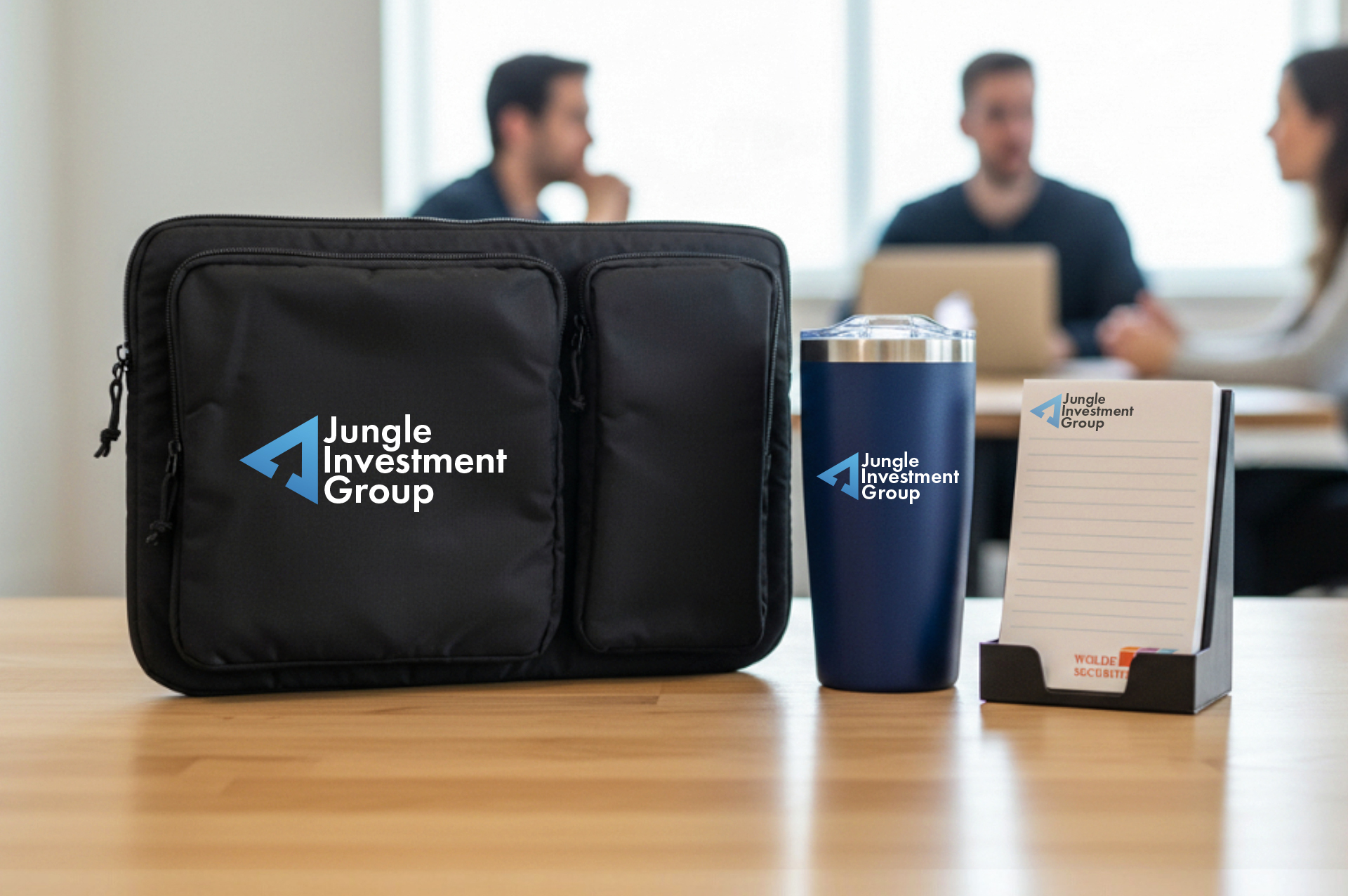
Low-cost, widely distributable items work best here — especially those people naturally use or keep close at hand. Pens, notepads, magnets, keychains, and event-friendly swag like lip balm or hand fans all excel at this stage. These items aren’t meant to tell your whole story; they’re meant to spark recognition and plant a seed.

When done right, awareness-stage promo products quietly reinforce your brand again and again, long after the event or interaction ends.

2. Nurture: Add Value and Build Trust

Once someone is familiar with your brand, promo products should shift from visibility to usefulness. This is the stage where thoughtful items help build credibility and move prospects closer to a decision.

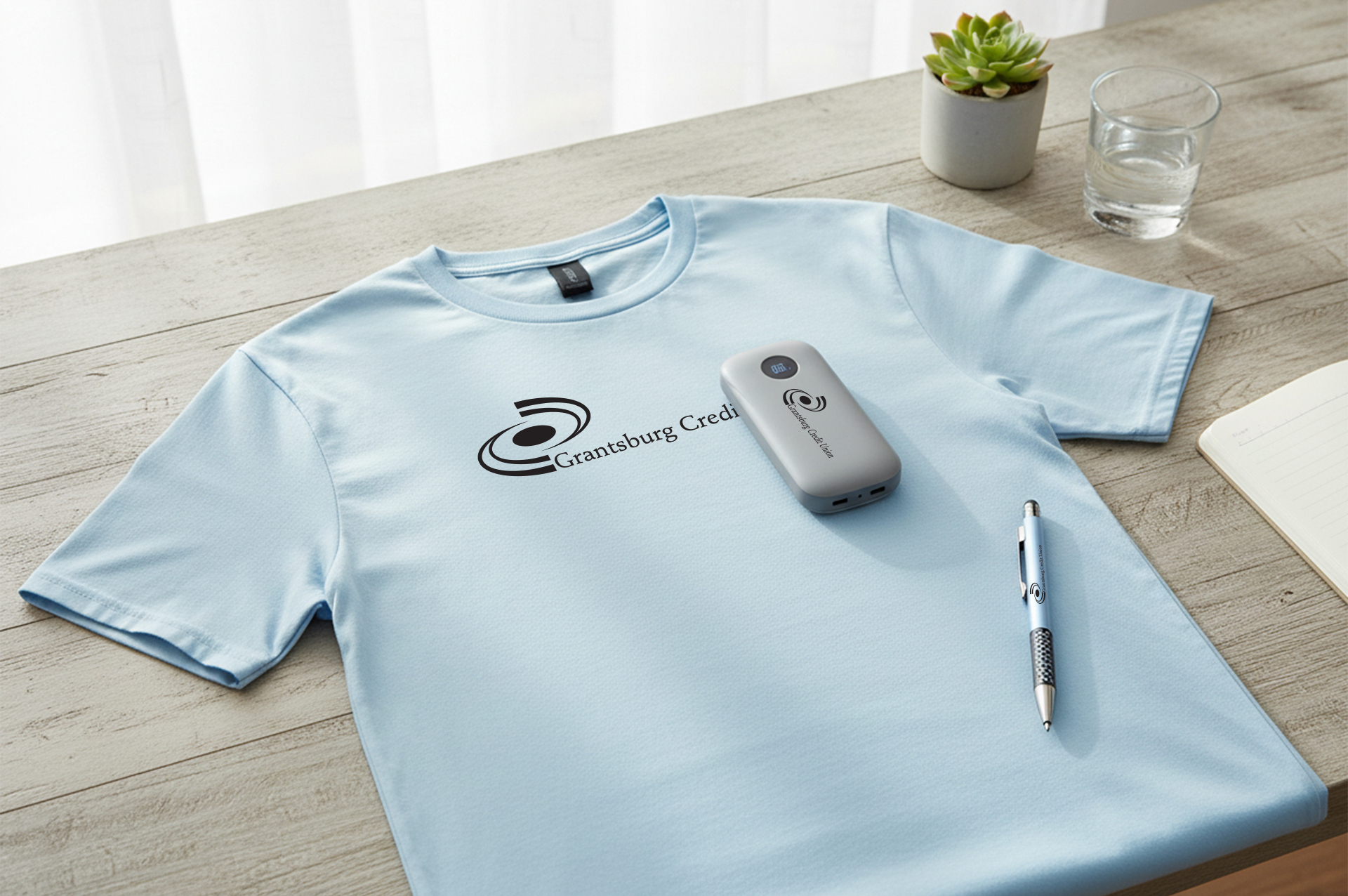
Mid-funnel promo products tend to solve small problems or support daily routines. Tech accessories like power banks, USB drives, or phone stands feel relevant and practical. Higher-quality notebooks, drinkware, or branded apparel for demos and trials also work well, especially when tied to a specific interaction or milestone.

At this stage, personalization matters more. A well-chosen item signals that your brand understands its audience — and that understanding builds trust.

3. Retention: Strengthen the Relationship

At the bottom of the funnel, promo products become less about promotion and more about appreciation. These items should feel intentional, elevated, and aligned with the value of the relationship.

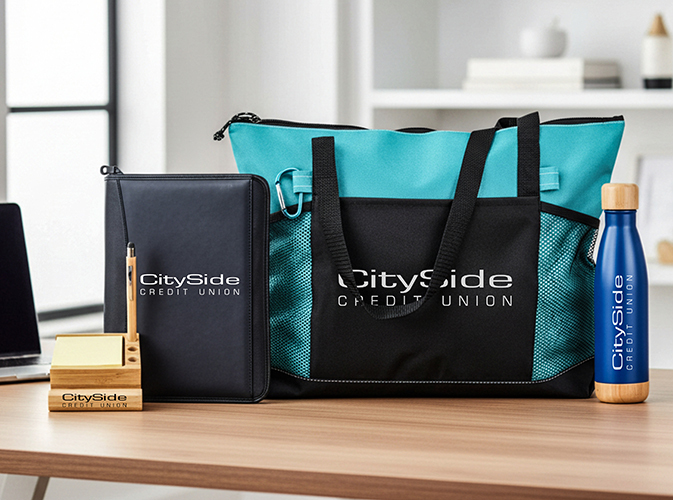
Premium apparel, bags, curated gift sets, and personalized accessories are strong choices for customer loyalty, employee recognition, or milestone celebrations. These items don’t need to be distributed broadly; they need to feel meaningful.

When customers or employees receive something that feels exclusive or well-considered, it reinforces loyalty and encourages long-term engagement. In many cases, these gifts also turn recipients into brand advocates — extending your reach organically.
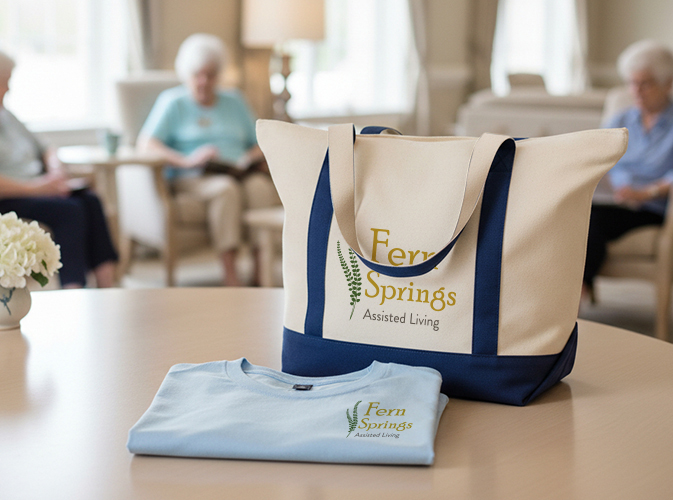
Premium apparel and custom bags

Value Grows as Relationships Deepen

At every stage of the funnel, the most effective promo products reflect the strength of the relationship. As audiences move from awareness to retention, perceived value should increase, both in quality and in intent.

Thoughtful promo product selection allows brands to spend more strategically, build stronger emotional connections, and support marketing, sales, and retention efforts in a unified way.

One Funnel, Many Touchpoints

Most buyers don’t move through the funnel in a straight line. They may encounter your brand at an event, revisit it through a referral, or re-engage months later through a follow-up campaign. Promo products help bridge these touchpoints by creating physical reminders that extend the life of each interaction. When items are chosen intentionally, they continue working long after the initial moment — keeping your brand present even when the journey pauses.
From Swag to Strategy: How Sustainable Apparel Maximizes Promo Budgets

From Swag to Strategy: How Sustainable Apparel Maximizes Promo Budgets

When brands think about promotional products, apparel often gets treated like a checkbox:

Shirts?

Hoodies?

Hats?

But that mindset misses the bigger picture.

When you evaluate promo through a smarter budgeting lens — cost-per-wear (CPW) and cost-per-impression (CPI) — sustainable promotional apparel stops looking like a “premium upgrade” and starts looking like one of the most efficient marketing investments available.

In this blog post, we’ll break down:

  • Why sustainable apparel consistently outperforms traditional promo
  • Which materials actually deliver long-term value
  • How to choose the right eco-friendly products without overcomplicating things
  • How to budget realistically without blowing up your promo spend

Why Sustainable Promotional Apparel Works (Especially for Your Budget)

Most traditional promo products fail quietly. They’re worn once (if ever), shoved into a drawer, or tossed after an event. Sustainable promotional apparel does the opposite — it earns a spot in someone’s regular rotation.

Here’s why eco-friendly promos perform better:

  • Higher wear rates — Better materials, better fit, and better design mean people want to wear it.
  • Longer lifespan — Eco-friendly garments are built to last, multiplying impressions over time.
  • Stronger brand alignment — Consumers care about sustainability. Apparel that reflects those values builds trust and recall.
  • Lower CPW and CPI over time — Even with a higher upfront cost, repeated use drives the real cost way down.

Quick example:
A $12 conventional tee worn twice = $6 per wear.
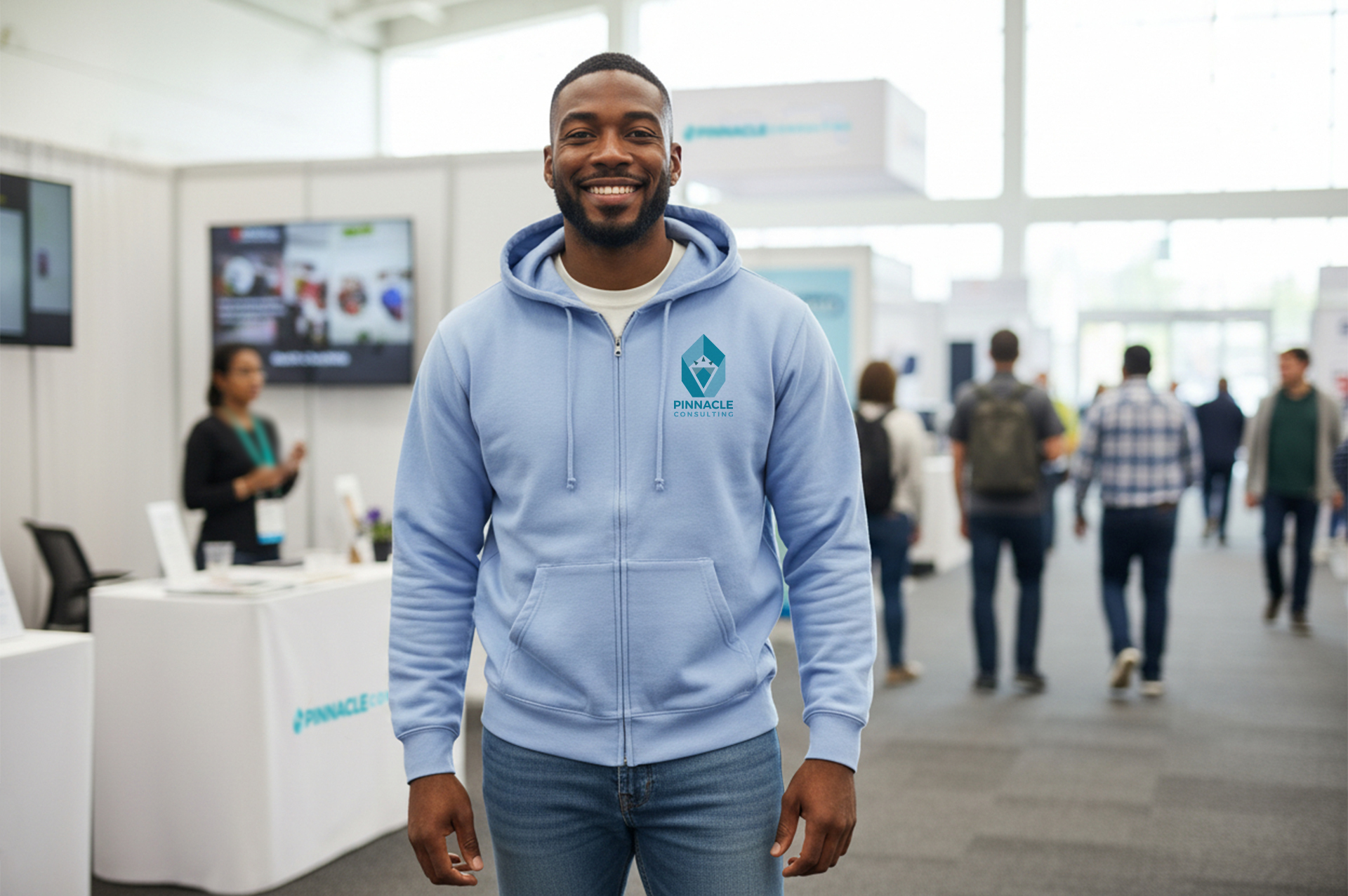
A $28 eco-friendly hoodie worn 40 times = $0.70 per wear, plus hundreds (or thousands) of impressions along the way.

Cost-Per-Wear & Cost-Per-Impression: The Metrics That Actually Matter

Start with Cost-Per-Wear (CPW).
CPW = Total cost ÷ estimated number of wears.

This is where sustainable promotional apparel really pulls ahead. Premium pieces like hoodies, crewnecks, elevated tees aren’t worn once and forgotten. Because they’re comfortable, durable, and designed like retail (not swag), they’re often worn 30–100 times or more over their lifetime.

Then there’s Cost-Per-Impression (CPI).
CPI = Total cost ÷ estimated impressions.

Every time someone wears branded apparel in public — at the gym, in airports, coffee shops, offices, or on social — your brand earns visibility. A single well-made hoodie can deliver thousands of impressions in a year, without additional spend.

When you evaluate apparel through CPW and CPI instead of unit price alone, the conclusion is clear: sustainable, high-quality apparel consistently delivers more value and longer-lasting impact.

Sustainable Materials That Deliver Real ROI

Not all “eco-friendly” materials are created equal. If you’re budgeting smartly, prioritize materials that balance sustainability, durability, and comfort.

Organic Cotton

  • Grown without harmful pesticides
  • Softer feel and better for sensitive skin
  • Ideal for tees and lightweight apparel

Recycled Polyester (rPET)

  • Made from recycled plastic bottles
  • Durable, moisture-wicking, and long-lasting
  • Great for performance wear, outerwear, and blends

Organic Cotton / Recycled Poly Blends

  • Best of both worlds
  • More durable than 100% cotton
  • Lower environmental impact than virgin synthetics

Low-Impact Dyes & Ethical Manufacturing

These may not always show up on a spec sheet, but they matter. Ethical production often correlates with better construction, fewer defects, and longer garment life, which directly improves CPW.

How to Get Started (Without Overthinking It)

If you’re new to sustainable promo apparel, start focused—not broad.

1. Choose One “Hero” Item

Instead of spreading budget across multiple low-impact pieces, invest in one standout product:

These deliver the highest wear frequency and impressions.

Promotional t-shirts

2. Prioritize Fit + Neutral Design

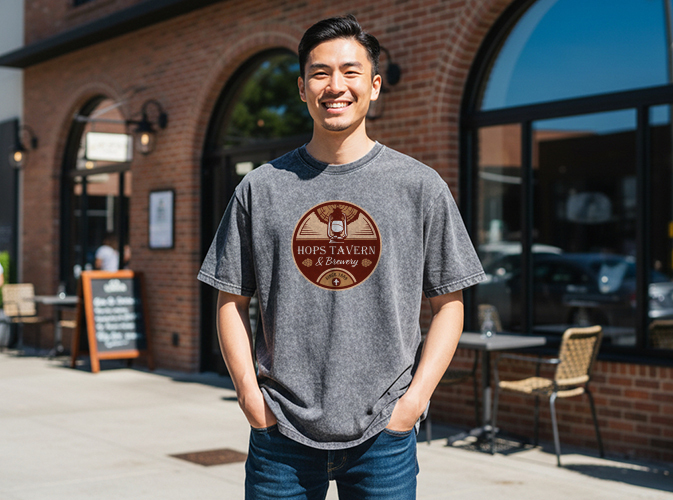
Timeless colors like black, heather gray, navy, olive, get worn more often. Loud, event-specific graphics age fast.

3. Brand Subtly

Small chest logos, sleeve prints, or woven labels feel more like retail than promo and dramatically increase wear rates.

4. Match the Product to the Audience

Employees, customers, and event attendees have different needs. An eco-friendly hoodie for employees may justify a higher spend than a giveaway tee at a large conference.

Costs & Budgeting: What to Expect

Yes, sustainable promotional apparel costs more upfront but usually less than people assume.

Typical branded bulk pricing:

  • Sustainable tees: $10–18
  • Crewnecks: $20–30
  • Hoodies: $25–45

Instead of asking, “How cheap can we go?” Ask: “How many wears and impressions do we want this to generate?”

Smarter Budgeting Tips

  • Reduce quantity, increase quality
  • Spend more on items with long wear cycles
  • Use CPW to justify spend internally
  • Compare apparel ROI to paid ads — promo often wins

A hoodie worn weekly for a year can outperform thousands of dollars in digital ads, with the added benefit of real-world brand goodwill.

Why Eco-Friendly Apparel Deserves a Seat at the Budgeting Table

Sustainable promotional apparel isn’t just a values play — it’s a smarter budgeting strategy.

When you measure promo success by cost-per-wear and cost-per-impression instead of unit price, sustainable products consistently deliver better ROI. They last longer. They get worn more. And they turn your brand into something people choose to represent.

If you want promo that actually works, sustainable promotional apparel isn’t the future.

It’s the benchmark.

A Smarter, 30-Day Approach to Promotional Product Planning for Small Teams

A Smarter, 30-Day Approach to Promotional Product Planning for Small Teams

Promotional product planning looks different for small teams, and that’s a good thing. With fewer decision-makers and tighter budgets, there’s an opportunity to be more intentional, more creative, and more strategic from the start.

Instead of defaulting to bulk giveaways, 2026 planning is about choosing products that earn their place in someone’s daily routine. Items that feel useful, well-designed, and thoughtfully branded tend to stick around longer and work harder for your brand. A focused 30-day kickoff can set the tone for the entire year.

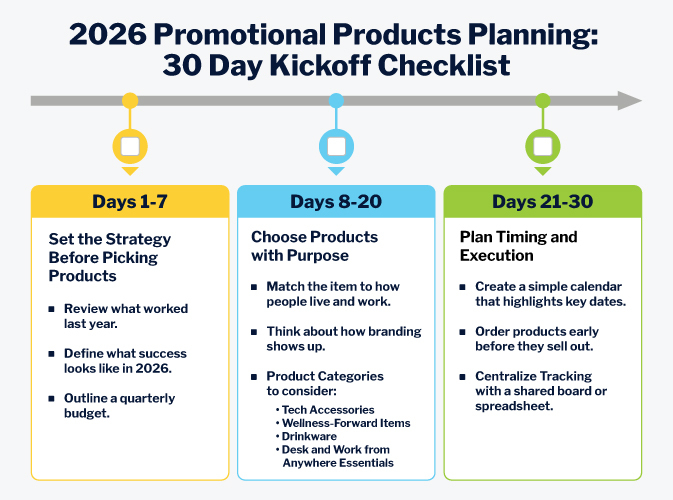
Days 1–7: Set the Strategy Before Picking Products

Strong promotional programs start with clarity, not catalogs.

Begin by reviewing what worked last year. Which items were requested again? Which ones disappeared into desk drawers or storage closets? Even basic insights can help narrow what deserves a repeat and what should be retired.

Next, define what success looks like in 2026. For small teams, this might mean supporting a handful of priority moments rather than trying to cover everything. Trade shows, onboarding kits, employee recognition, or client milestones are common anchors.

From there, outline a quarterly budget instead of spending everything at once. This spreads out costs, keeps branding consistent, and allows room to adjust based on what performs well early in the year.

Days 8–20: Choose Products with Purpose

This is where promotional product planning becomes creative. The goal is to match the item to how people live and work, not just where your logo fits.

Some categories that continue to resonate with smaller teams include:

  • Tech accessories — Compact charging hubs, magnetic phone stands, and cable organizers solve everyday problems without feeling disposable. These items tend to live on desks or in bags, keeping your brand visible without being loud.
  • Wellness-forward items — Desk-friendly wellness products like eye masks, reusable hot and cold packs, or simple self-care kits support well-being while staying professional. They work well for employee appreciation, remote teams, and client thank-yous.
  • Drinkware with staying power — High-quality tumblers, insulated bottles, and ceramic mugs remain reliable favorites when the design feels modern and the branding stays subtle. Neutral colors and matte finishes often extend the lifespan of the product.
  • Desk and work-from-anywhere essentials — Mouse pads with elevated materials, laptop sleeves, or compact notebooks bridge the gap between office and remote work. These pieces feel relevant year-round.

As products are selected, think about how branding shows up. Smaller logo placement, tone-on-tone decoration, or thoughtful taglines tend to feel more contemporary and more wearable.

Promo products for small teams

Days 21–30: Plan Timing and Execution

Even the best product can miss its moment if timing is off.

Create a simple calendar that highlights key dates for the year ahead. Industry events, seasonal campaigns, onboarding cycles, and appreciation moments all deserve a place. This makes it easier to plan once and reuse the framework throughout the year.

Ordering early is one of the biggest advantages small teams can give themselves. Popular items and colors often sell out ahead of peak seasons like late summer and Q4. Building in extra lead time also allows for proof approvals and shipping buffers without stress.

Finally, centralize tracking. A shared project board or spreadsheet that logs product choices, order dates, quantities, and remaining inventory keeps everyone aligned and avoids duplicate orders or last-minute scrambles.

30-Day Approach to Promotional Product Planning Checklist

Why a 30-Day Kickoff Works

Promotional product planning doesn’t need to be overwhelming to be effective. A focused month of strategy, selection, and scheduling creates momentum and removes guesswork for the rest of the year. For small teams, that clarity frees up time to focus on campaigns, relationships, and growth.

When products are chosen with intention and ordered with confidence, they become more than giveaways. They become useful tools that support your brand story all year long.

The Best Fitness Center Promotional Items That Drive Member Sign-Ups

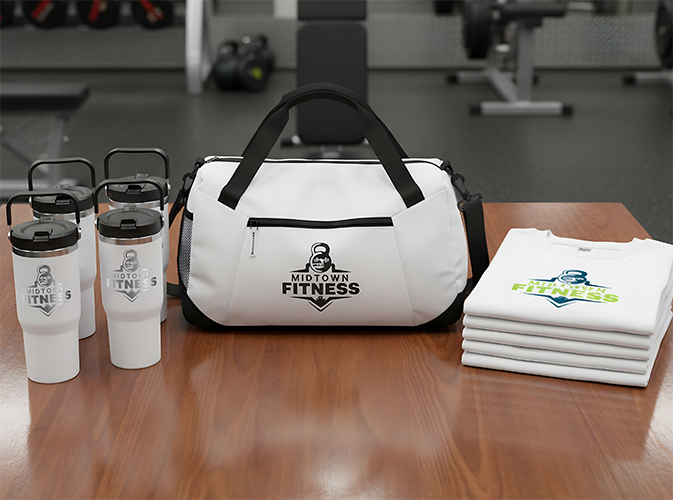
Giveaways for gyms and fitness centers

Walk into any gym and you’ll see it instantly: water bottles lined up on treadmills, towels slung over shoulders, resistance bands tucked into gym bags, and branded shirts worn with pride. These aren’t just workout accessories — they’re high-impact promotional items hiding in plain sight.

Gym promotional items play a unique role in the fitness industry because they earn something traditional marketing can’t: daily use. Unlike flyers or ads that get ignored, fitness center promotional items become part of members’ daily routines — used before workouts, during recovery, and everywhere in between.

When chosen strategically, they attract new members, strengthen loyalty, and turn your community into walking, sweating brand ambassadors.

So what actually works — and why? Let’s break it down.

Why Are Gym Promotional Items So Effective?

Fitness is personal. People don’t just join a gym; they commit to a lifestyle. Gym promotional items succeed in this space because they:

  • Support motivation– The right gear makes workouts feel easier and more enjoyable.
  • Extend brand visibility– Your logo travels beyond your gym walls.
  • Create emotional value– A free item feels like encouragement, not advertising.

A great fitness center promotional item doesn’t say “Join our gym.” It says “We’re part of your fitness journey.”

Top Gym Promotional Items That Drive Membership Growth

The best gym promotional items don’t just sit on a shelf — they get sweaty, shared, and seen. When you choose products members actually use, your brand shows up in workouts, daily routines, and conversations that drive real membership growth.

  1. Essential Gear Members Actually Use

If you want your brand seen daily, start with items members already need.

Top performers include:

  • Reusable water bottles – A gym marketing classic for a reason. They’re affordable, eco-friendly, and used everywhere.
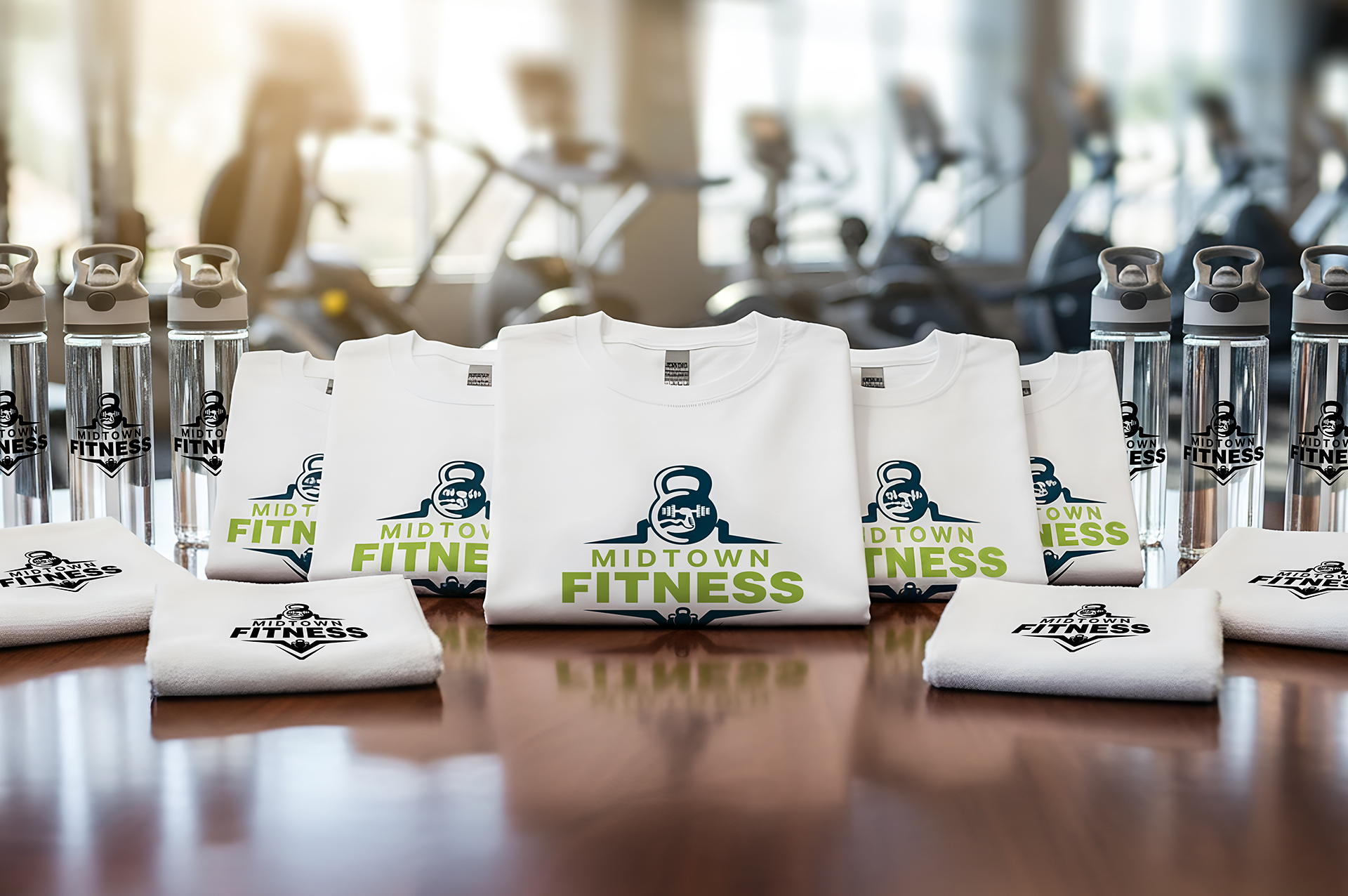
  • Custom sports items – Branded gym promotional products like cooling towels, sweat bands, and yoga mats are perfect for intense workouts and group classes.
  • Gym bags & totes – High perceived value and excellent brand exposure.
  • Branded apparel (shirts, tanks, hats) – Turns members into mobile advertisements while building community pride.

Why these work: They don’t sit in a drawer. They show up at workouts, parks, offices, and social media posts.

  1. Workout Accessories That Add Performance Value

Workout accessories show that your gym is serious about results, not just sign-ups.

Popular options include:

  • Resistance bands for strength and mobility training
  • Jump ropes for cardio-focused workouts
  • Hand grips or gloves for lifters
  • Foam rollers and recovery kits for stretching and muscle care

Why these work: They extend your brand into at-home workouts and recovery days, keeping your gym relevant even when members aren’t on-site.

  1. Tech & Fitness Trackers for Premium Promotions

Want to create buzz or drive fast sign-ups? Tech-based promo items do exactly that.

Why these work: Tech items feel exclusive and high-value. They’re ideal for limited-time offers, referral rewards, or VIP memberships.

  1. Membership Passes That Remove Barriers

Sometimes the most effective “promotional item” is access.

  • Free 7-day or 14-day passes
  • Discounted first-month memberships
  • Gift certificates for classes or personal training

Pairing a free pass with a physical item — like a water bottle or towel — dramatically increases the chances that prospects actually show up.

Why these work: They reduce hesitation and let potential members experience your gym risk-free.

  1. Bundles & Wellness Kits That Make a Strong First Impression

Instead of giving away one item, create curated wellness kits that feel intentional and premium.

Examples include:

  • Water bottle + towel + resistance band
  • Yoga mat + strap + branded tote
  • Recovery kit with roller, stretch band, and cooling towel

Why these work: Bundles feel like a welcome gift, not a giveaway. They instantly communicate value and professionalism.

Top gym membership gifts

How to Choose the Right Promo Items for Your Gym

The best gym promotional items aren’t the trendiest — they’re the smartest.

  • Understand Your Members — A boutique yoga studio needs different items than a hardcore strength gym. Match the product to the lifestyle.
  • Choose Utility Over Gimmicks If it won’t be used weekly, it won’t market your gym effectively.
  • Match Your Brand Identity — Luxury gyms should invest in premium materials. Eco-conscious gyms should choose sustainable products.
  • Think Long-Term Visibility — Ask yourself: Will someone still use this in six months? If the answer is yes, it’s worth it.

Smart Ways to Use Promotional Items to Boost Memberships

When promotional items are paired with a clear strategy, they become powerful tools for attracting new members, encouraging referrals, and building long-term loyalty. Here are proven ways to use promo items to drive membership growth:

  • New Member Incentives Welcome new sign-ups with free branded gear that creates an instant sense of value and belonging.
  • Referral Rewards — Motivate members to spread the word by offering upgraded or exclusive items for successful referrals.
  • Community Exposure — Increase brand visibility by distributing promotional items at local events, pop-ups, or through strategic partnerships.
  • Limited-Time Campaigns — Create urgency with seasonal promotions, such as New Year or summer campaigns, featuring exclusive, time-bound merchandise.
  • Loyalty Programs — Build retention with tiered rewards that unlock higher-value items as members stay engaged over time.

Promotional items are more than giveaways; when used strategically, they serve as powerful tools for motivation, member retention, and brand visibility.

The right promotional item reminds members why they joined, keeps your gym visible in everyday life, and turns casual users into loyal advocates. Invest thoughtfully, bundle creatively, and choose items that truly support your members’ fitness goals.

Because when your brand helps people feel stronger, healthier, and more motivated — it sticks.

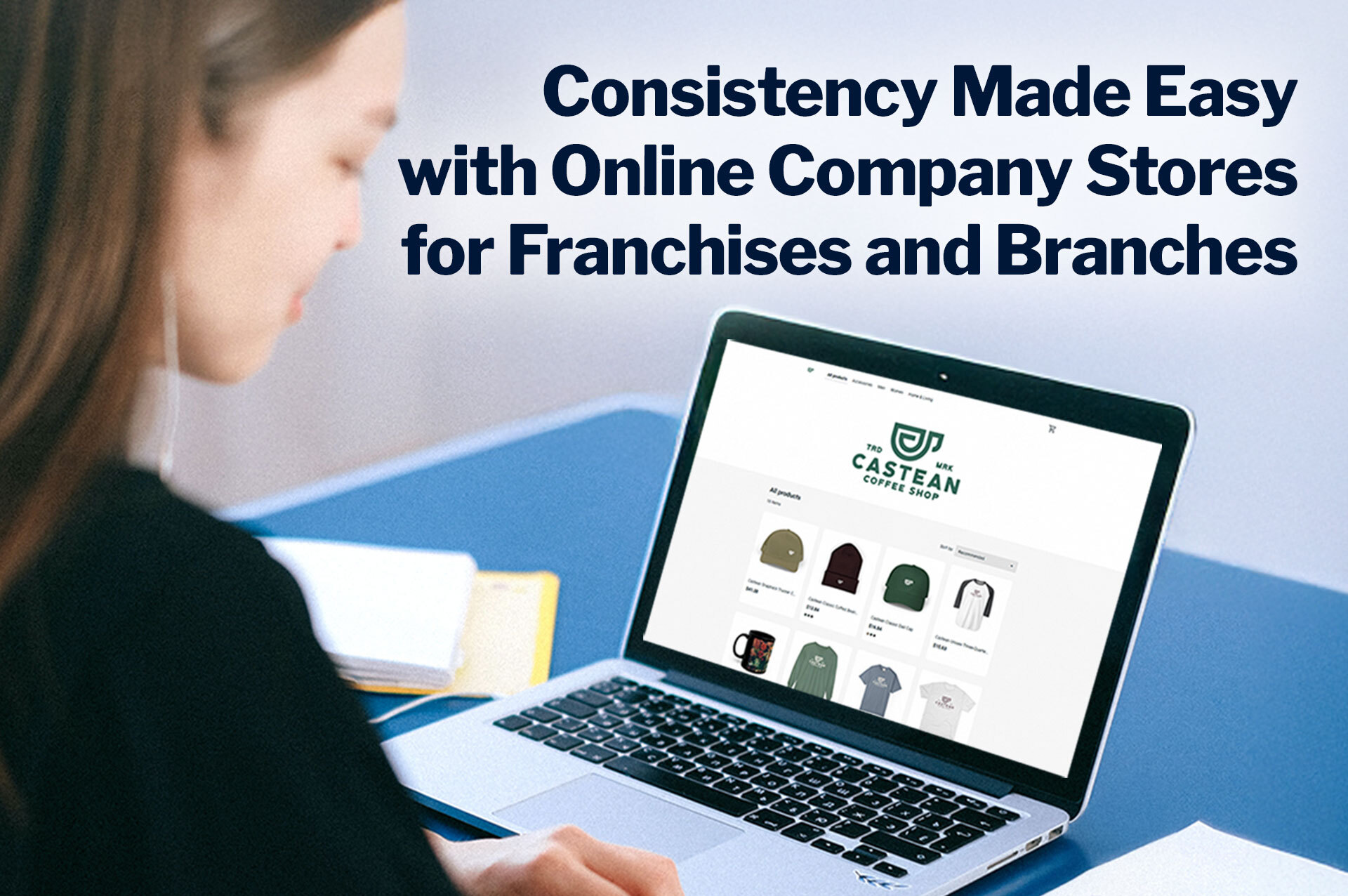
Consistency Made Easy with Online Company Stores for Franchises and Branches

Consistency Made Easy with Online Company Stores for Franchises and Branches

Managing multiple franchise locations or branches can feel like a juggling act — uniforms here, signage there, and endless product orders in between. An online company store takes the chaos out of the process, keeping every location stocked, consistent, and perfectly on-brand.

A branded online store acts as a single, centralized hub where every franchise or branch can easily order the approved products they need — without the back-and-forth or confusion. Here’s how it helps simplify operations and keep your brand looking sharp across every location:

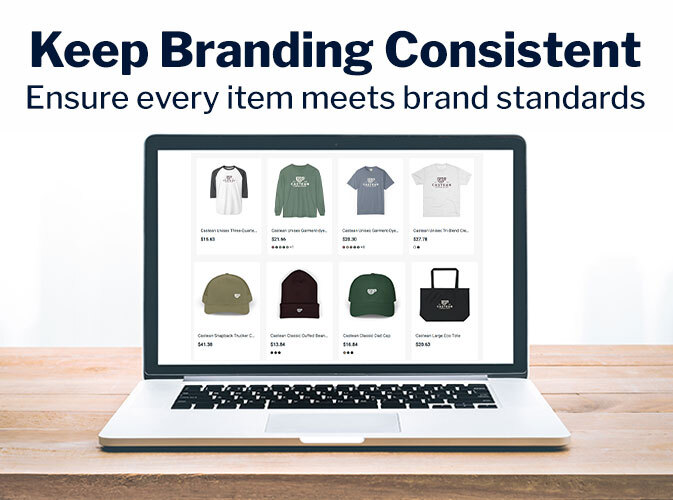
1. Keeps Branding Consistent

When each location handles its own orders, inconsistencies can creep in — different logos, colors, or product styles that dilute your brand identity. An online company store ensures every item, from staff apparel to marketing giveaways, meets brand standards. That means your logo always looks right, your colors match perfectly, and your customers get a consistent brand experience no matter where they go.

Keep Branding Consistent

2. Simplifies Ordering and Inventory

Forget spreadsheets, phone calls, and bulk shipping headaches. With an online company store, franchise owners and managers can log in anytime to order exactly what they need — whether it’s restocking uniforms or preparing for a local event. Everything is organized, pre-approved, and ready to go, helping you reduce waste, avoid delays, and stay within budget.

One centralized online store eliminates the need for multiple vendors, endless order forms, and last-minute rush shipments. It’s the simplest way to keep every branch stocked.

3. Saves Time for Everyone

By taking the guesswork out of ordering, online company stores free up time for your team to focus on what really matters — running the business. No more tracking down who ordered what, reconciling invoices, or managing multiple vendors. It’s one store, one process, and one less thing to worry about.

4. Empowers Local Teams

Each location can operate independently while still staying aligned with your brand. Managers can order what they need when they need it — without waiting for corporate approval or navigating complicated ordering systems. That flexibility helps franchisees feel supported and trusted, while corporate maintains full control and oversight behind the scenes.

Ready to Simplify Your Franchise Operations?

With Amsterdam’s Online Company Store platform, you can keep every branch stocked, branded, and on the same page. From setup to fulfillment, everything is managed for you, so you can spend less time managing orders and more time growing your business.

One Company Store, Four Big Wins

Get your franchise network aligned and efficient with these core advantages:

  • Personalized Gifting — Let each branch offer rewards or swag options that feel personal but stay on brand
  • Launch in Days, Not Weeks — Rapid setup means your branded store is live fast and ready for orders
  • Everything in One Place — Uniforms, promo items and signage, all managed from a single portal
  • Order Smart, Not in Bulk — No forced bulk minimums because branches only order what they need

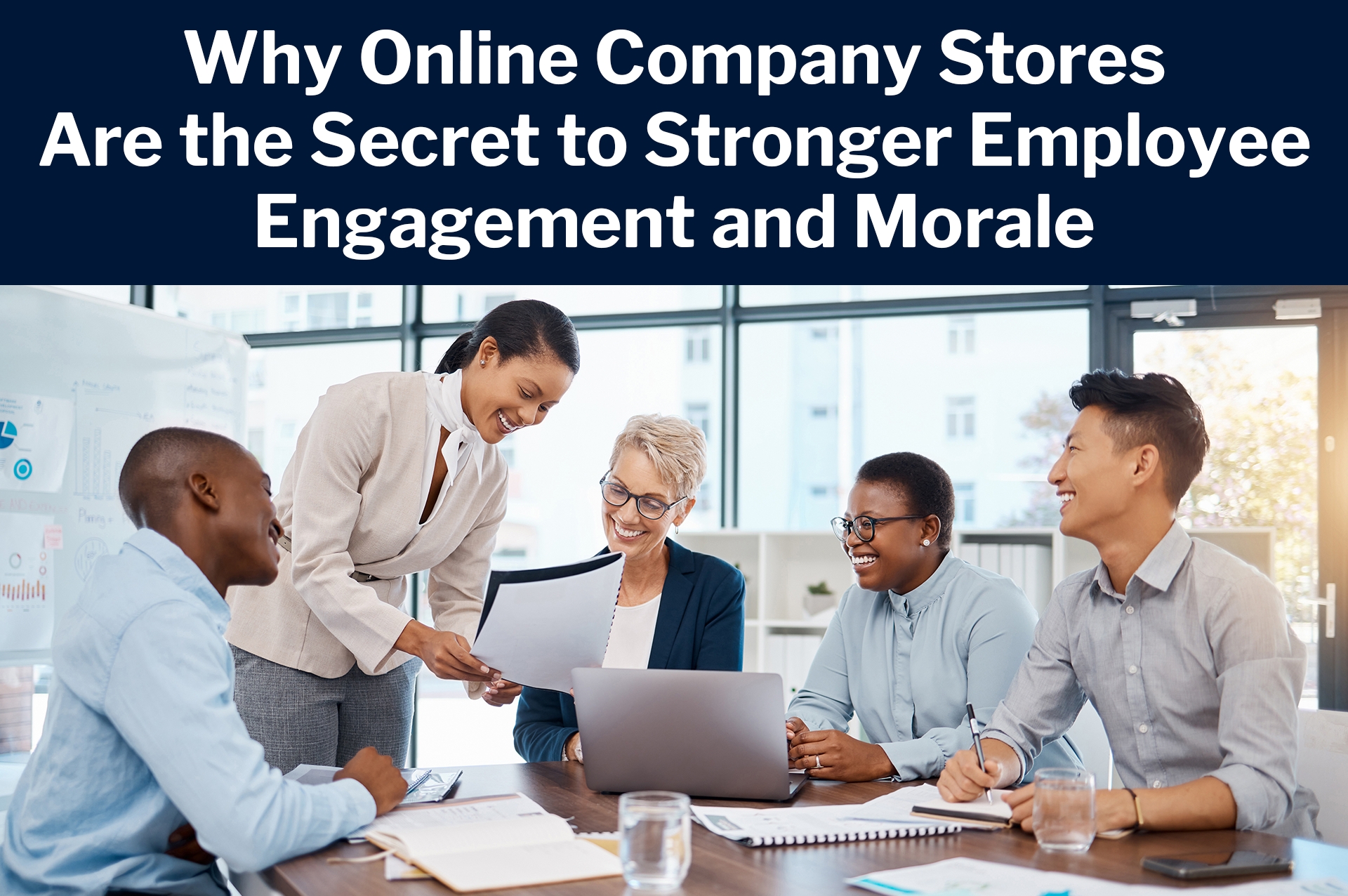
Why Online Company Stores Are the Secret to Stronger Employee Engagement and Morale

Why Online Company Stores Are the Secret to Stronger Employee Engagement and Morale

In today’s fast-paced workplace, keeping employees engaged and connected to your brand can be a challenge. One increasingly popular solution is an online company store — an easy-to-manage platform where employees can access branded merchandise, rewards, and company essentials.

An online company store isn’t just about handing out customized gear — it’s about creating a branded experience that makes employees feel valued, recognized, and part of something bigger. Here’s how this simple tool can have a big impact on your team.

1. Builds Company Pride

 When employees wear or use branded gear, it reinforces their sense of belonging. Whether it’s a cozy hoodie, a travel mug, or a sleek notebook, company-branded items help employees feel part of the team, no matter where they’re working. A store filled with high-quality, on-brand merchandise turns everyday items into symbols of company pride.

2. Makes Recognition Effortless

Celebrating achievements and milestones is key to keeping morale high, but coordinating gifts or rewards can be time-consuming. An online company store streamlines the process, allowing managers or HR teams to instantly send gift credits or select items for birthdays, anniversaries, or performance awards. Employees enjoy the freedom to choose what they really want, making recognition more personal and impactful.

Did You Know?
Employees who feel well-recognized are 45% less likely to quit over the next two years*. A well-run online company store can help support your recognition and retention efforts.
*Source: Gallup.com

Custom swag for employee stores

3. Simplifies Swag Distribution

Planning a company event or onboarding new hires? Instead of stockpiling t-shirts and tumblers in a supply closet, use your company store to easily manage inventory and fulfillment. Everything is ordered, shipped, and tracked in one place — saving time and reducing stress. Plus, employees can order their sizes and preferences directly, minimizing waste and ensuring a perfect fit (literally).

4. Strengthens Culture and Connection

A branded store helps maintain a sense of connection, especially for hybrid or remote teams. It’s a space where employees can explore and engage with your brand on their own terms. From seasonal items to limited-edition gear tied to company milestones, the store becomes a fun, ongoing reminder of your shared mission and values.

Promo swag for employee stores

Ready to Create Your Own Company Store?

With Amsterdam’s Online Company Store platform, it’s easier than ever to design a customized store that fits your brand and budget. From setup to fulfillment, everything is managed for you, so you can focus on what matters most: Keeping your employees engaged, appreciated, and proud to represent your company.

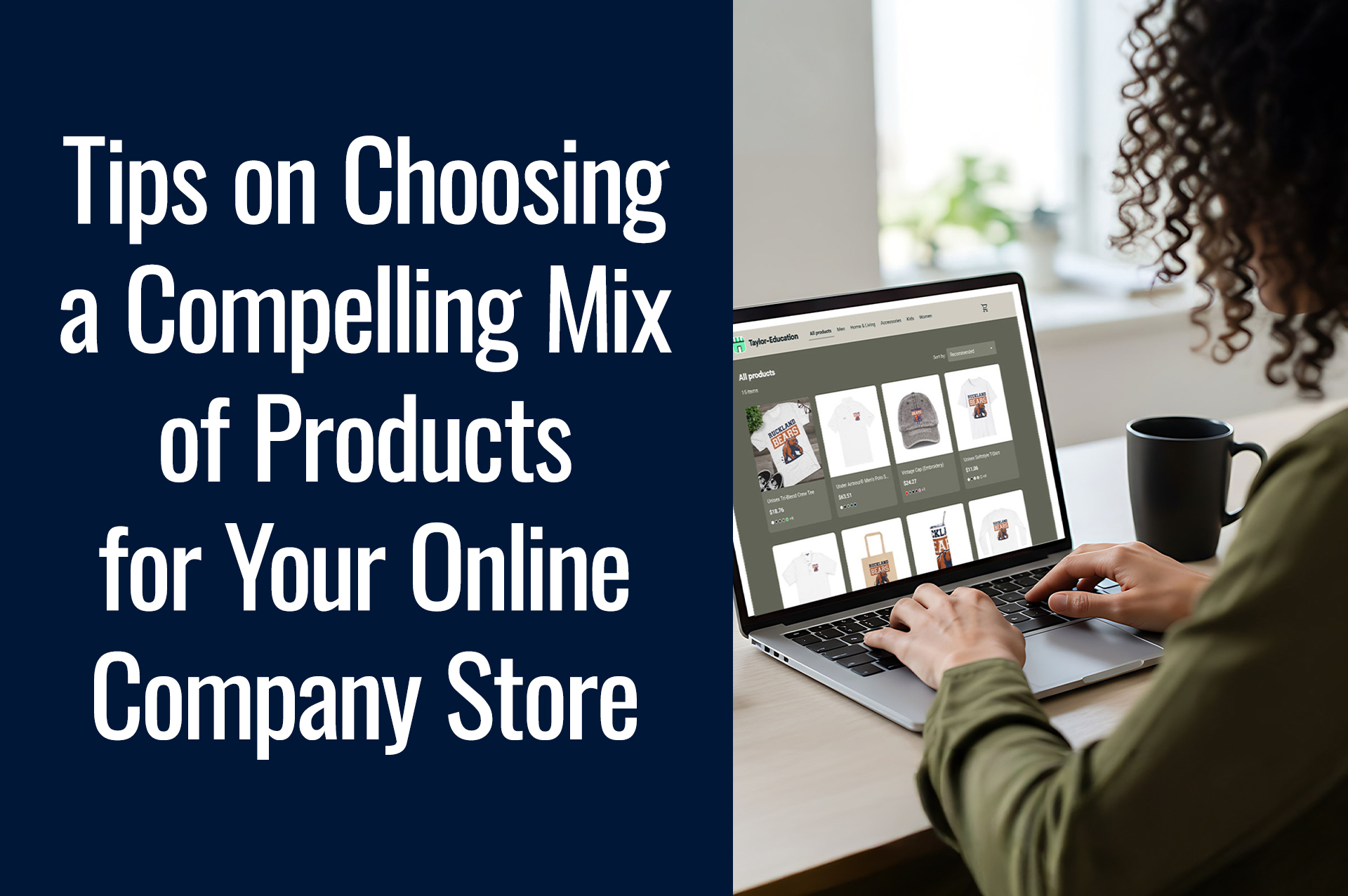
Tips on Choosing a Compelling Mix of Products for Your Online Company Store

Tips for Choosing Promo Products for your Company Store

Building an online company store is one of the smartest ways to boost engagement, celebrate employees, and extend your brand’s reach. But here’s the catch: Your store will only be as strong as the products you stock. If you’re wondering how to select items for a company store, it starts with knowing your audience and finding that perfect mix of practical staples and fun, unexpected finds.

Here are some tips for building a successful company store and making sure your product lineup truly hits the mark:

1. Know Your Audience and Your Brand

Before adding products to your store, ask “who will be shopping here?” Employees, clients, volunteers, students? Understanding their preferences is the key to picking items they’ll actually use. Just as important — make sure each product reflects your company’s culture and values. For example, if sustainability is central to your brand, eco-friendly options like reusable drinkware or recycled tote bags are a natural fit.

Also consider how the product pairs with your logo. Does it fit your brand colors and style? Decide whether a traditional imprint or a more creative decoration works best — and whether the branding should stand out or remain subtle.

2. Balance the Staples With the Standouts

Every store needs a mix of must-haves and conversation-starters. Think of the staples first — custom pens, water bottles, polos, and notebooks — products everyone can use on the job or at home. Then layer in standout pieces like tech gadgets, wellness kits, or seasonal gear that add variety and excitement. This combination keeps your store fresh and encourages repeat visits.

3. Pay Attention to Quality and Longevity

Cheap giveaways may save money upfront, but they can weaken your brand’s reputation. Choose products that last, prioritizing items people will reach for again and again. High-quality branded apparel, durable bags, and tech accessories are all great examples of products that continue to promote your brand long after checkout.

4. Keep an Eye on Trends

Product trends evolve quickly. Maybe it’s insulated tumblers one season, pickleball gear the next. Staying up to date ensures your store feels modern and relevant. You don’t have to overhaul your entire catalog each season — just add a few on-trend items to keep things interesting.

5. Partner With the Right Supplier

Your company store should run smoothly from design to delivery. That’s why it’s important to work with a supplier that can handle customization, inventory, and fulfillment without headaches. A reliable partner helps you focus on building your brand while they manage the details behind the scenes. Here are six reasons your business needs an online company store if you’d like to dive deeper.

Keep Your Company Store Fresh and Effective

A successful store isn’t about offering everything — It’s about offering the right things. By knowing your audience, balancing practical staples with fresh finds, and prioritizing quality, you’ll create a shop that keeps employees, customers, or students excited to wear, use, and share your brand.

Ready to start? Explore the online company store options here and see how easy it is to bring your brand to life.

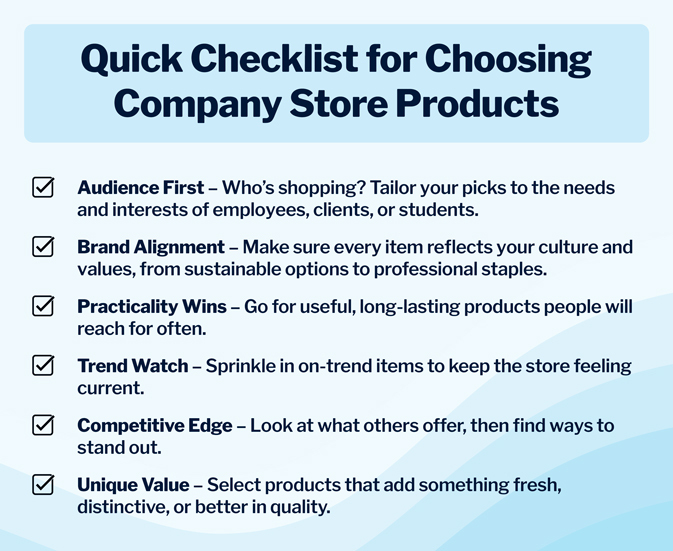
Quick Checklist for Choosing Company Store Products

Checklist for Choosing Company Store Products

  • Audience First– Who’s shopping? Tailor your picks to the needs and interests of employees, clients, or students
  • Brand Alignment– Make sure every item reflects your culture and values, from sustainable options to professional staples
  • Decoration & Design – Choose imprint methods and product colors that complement your logo and brand aesthetic
  • Practicality Wins– Go for useful, long-lasting products people will reach for often
  • Trend Watch– Sprinkle in on-trend items to keep the store feeling current
  • Competitive Edge– Look at what others offer, then find ways to stand out
  • Unique Value– Select products that add something fresh, distinctive, or better in quality