
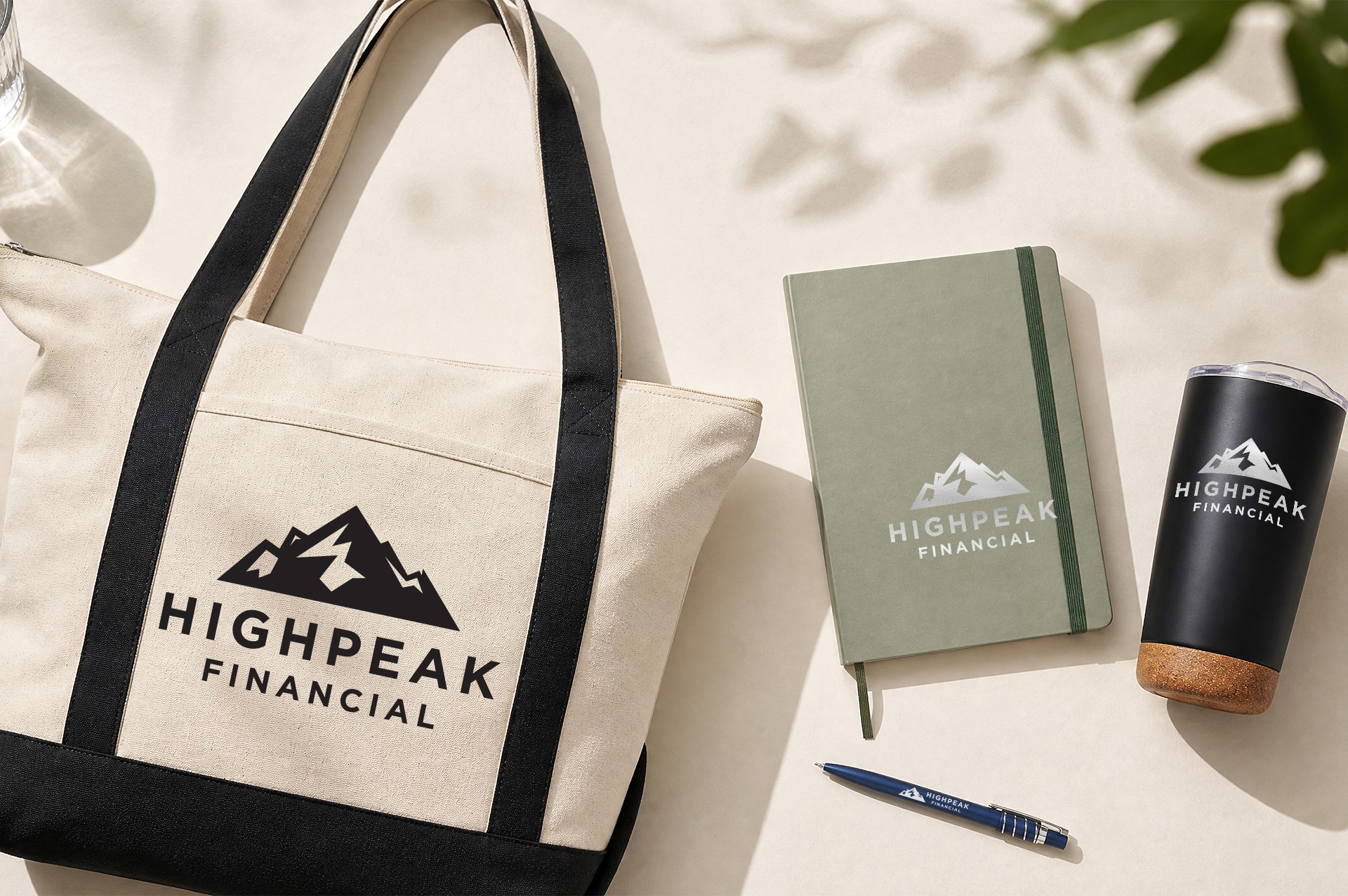
In the crowded world of branding and promotional products, less truly is more. This article explores why minimalist branding — think clean lines, simple shapes, and understated logos — isn’t just a design trend but a proven strategy for increasing product usage rates, boosting brand recall, and building lasting customer loyalty.
You’ll learn the science behind why simple logos work, how they perform across every touchpoint, and how to apply minimalist principles to your own branded merchandise for maximum impact.
KEY TAKEAWAYS
- The human brain processes simple shapes 60,000 times faster than text, making minimalist logos instantly recognizable.
- Simple logos scale effortlessly from tiny app icons to large-format signage without losing clarity.
- Minimalist designs are perceived as more sophisticated and trustworthy, driving deeper emotional connections.
- Brands with clean, uncluttered logos can see up to a 30% boost in customer retention.
- Timeless, trend-resistant logos stay relevant longer, reducing the need for constant redesigns.
- On promotional products, subtle branding increases the likelihood that recipients will use and keep the item.
Why Simple Works: The Science Behind Minimalist Branding
If you’ve ever wondered why some logos just stick — the Apple apple, the Nike swoosh, the FedEx arrow hidden in plain sight — there’s real cognitive science at work. Minimalist design isn’t about being boring or playing it safe. Rather, it’s about removing everything that isn’t essential, so what remains makes a stronger, more lasting impression.
Here’s what the research tells us:
- Faster Cognitive Processing — The human brain processes visual shapes roughly 60,000 times faster than written text. When a logo strips away the clutter, it becomes a shape — a symbol the brain can absorb and file away in an instant. In fast-moving digital environments, where your branded item or ad has a fraction of a second to register, that speed is everything.
- Lower Cognitive Load, Higher Recall — Every extra element in a design — a gradient, a drop shadow, an ornate font — asks the brain to do a little more work. Minimalist logos reduce that effort. When people don’t have to work hard to process a logo, they’re more likely to remember it, feel comfortable with it, and reach for it again.
- The Emotional Shortcut — Simpler designs allow brands to create a cleaner emotional association. Without visual noise competing for attention, a well-crafted minimal logo speaks directly to the viewer’s instincts. Put another way, a clean, confident logo feels trustworthy, while an overcrowded one feels anxious.
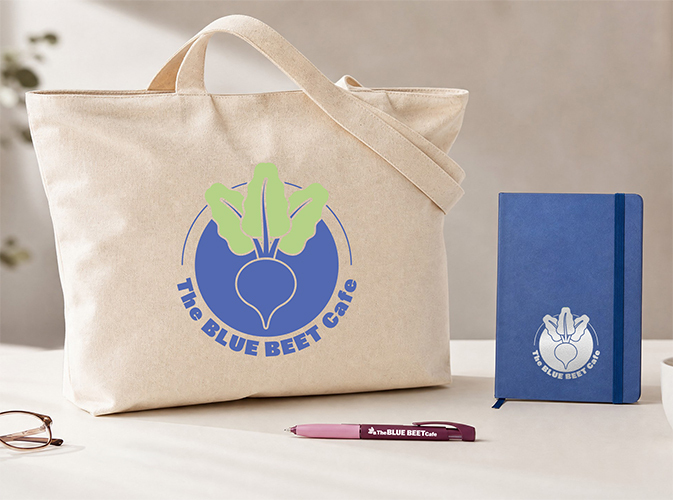
Why Minimalist Logos Work — and Why It Matters for Your Brand
People are far more likely to use something they’re not embarrassed to be seen with. A loud, over-branded item gets shoved in a drawer. A well-designed item with a subtle, tasteful logo gets carried to the coffee shop, the gym, and the next meeting. That’s the core of it — and the business results back it up:
- Scalability — A simple mark reproduces cleanly on a pen cap, a phone screen, a billboard, or a tote bag. Complex logos lose detail and become illegible at small sizes.
- Memorability — The less there is to process, the more the brain retains. Minimalist logos build effortless recognition that turns casual recipients into genuine brand advocates.
- Clarity — A clean logo removes visual clutter and puts attention exactly where you want it: on your brand, not on a design competing with itself.
- Modern Credibility — Clean design signals a company that’s current and confident. For B2B brands and design-savvy audiences, this approach is expected.
- Higher Retention — Brands with simple, clean logos can see up to a 30% boost in customer retention. When a logo is easy to remember and pleasant to look at, customers are more likely to come back.
- Timeless Appeal — Minimalist designs sidestep trends, which means your brand looks just as fresh in five years — no costly redesigns, no confused customers.
Applying Minimalist Branding to Your Promotional Products
Ready to put these principles to work? Here’s how to bring minimalist branding into your next promotional product campaign:
- Choose quality over quantity. A single, well-placed minimal logo beats a product plastered with branding at every angle.
- Consider tone-on-tone printing or debossing. A premium, subtle finish feels luxurious rather than promotional.
- Limit your color palette. One or two colors — ideally your primary brand color on a neutral background — keeps it clean and intentional.
- Leave white space. Whether on packaging or the product itself, breathing room makes a logo feel more refined.
- Think about context. Where will this item be used? For example, a minimalist mark on a travel mug will be seen at coffee shops, in offices, and on commutes, which is worthwhile organic brand exposure.
The Bottom Line with Minimalist Branding
Minimalist branding isn’t about doing less — it’s about doing more with less. A clean, simple logo registers faster, lasts longer, and earns more trust. And on a promotional product, it’s the difference between something that gets used and something that gets tossed.
Ready to put clean, minimalist branding to the test? Explore Amsterdam Printing’s full promotional collection today.
FAQS:
1. What is minimalist branding, and how does it differ from other design approaches?
Minimalist branding strips a logo or visual identity down to its most essential elements — a simple shape, limited color palette, and clean typography. Unlike maximalist or highly detailed design approaches, minimalist branding intentionally removes decoration and visual noise to create something that is instantly recognizable, easy to reproduce across any medium, and built to last over time.
2. Why do subtle logos lead to higher usage rates on promotional products?
People are more likely to use items they’re comfortable being seen with. A subtle, tasteful logo signals quality and confidence, while an oversized or overly complex logo can feel like a walking advertisement. When branded products look good, recipients carry them, display them, and use them in everyday settings — turning a giveaway into ongoing brand exposure.
3. Do minimalist logos work for all types of businesses?
Minimalist branding works across virtually every industry, though the approach may vary. Tech companies, financial brands, wellness businesses, and consumer goods companies have all embraced clean design with strong results. Even traditionally ornate industries — like hospitality or luxury goods — have increasingly moved toward refined simplicity. The key is that the design must still feel authentic to your brand’s personality and values.
4. How do I know if my current logo is too complex for promotional products?
A simple test: Shrink your logo down to the size it would appear on a pen or a lapel pin. If it loses detail, becomes hard to read, or looks cluttered at small sizes, it may be too complex. Great minimalist logos are just as impactful at half an inch as they are at six feet.
5. What promotional products work best with minimalist branding?
Minimalist logos shine on items where quality and everyday usability matter most — drinkware, premium apparel, leather goods, tech accessories, and quality notebooks. These are items people use repeatedly and in public settings. A clean, confident logo on a well-made item creates far more lasting impressions than a busy design on a throwaway product.